Why Sugar Free Cake Mixes Are Worth Your Attention
Sugar free cake mixes have become a practical solution for South Africans who want to enjoy baked treats without the blood sugar spike that comes with traditional recipes.
Quick answer: Best sugar-free cake mix options to look for
| Type | Key Feature | Best For |
|---|---|---|
| Keto yellow or sponge cake mix | 1-2g net carbs per slice | Low-carb and ketogenic diets |
| Chocolate or devil’s food mix | Rich cocoa flavour, zero added sugar | Everyday treats and celebrations |
| Gluten-free chocolate cake mix | Grain-free, high fibre | Gluten sensitivity and inflammation |
| Carrot cake mix | Warm spices, moist crumb | Diabetic-friendly baking |
| High-protein brownie mix | Added protein, erythritol-sweetened | Fitness-focused goals |
If you are managing your sugar intake, following a low-carb lifestyle or simply trying to reduce refined sugar without giving up dessert entirely, a quality sugar-free cake mix can make that far more achievable.
The challenge is knowing which products actually deliver on taste and texture, and which sweeteners are doing the work inside the mix. Not all sugar substitutes behave the same way in baking. Some affect moisture, some cause digestive discomfort in larger amounts and some simply do not taste right.
This guide cuts through the noise so you can bake with confidence.
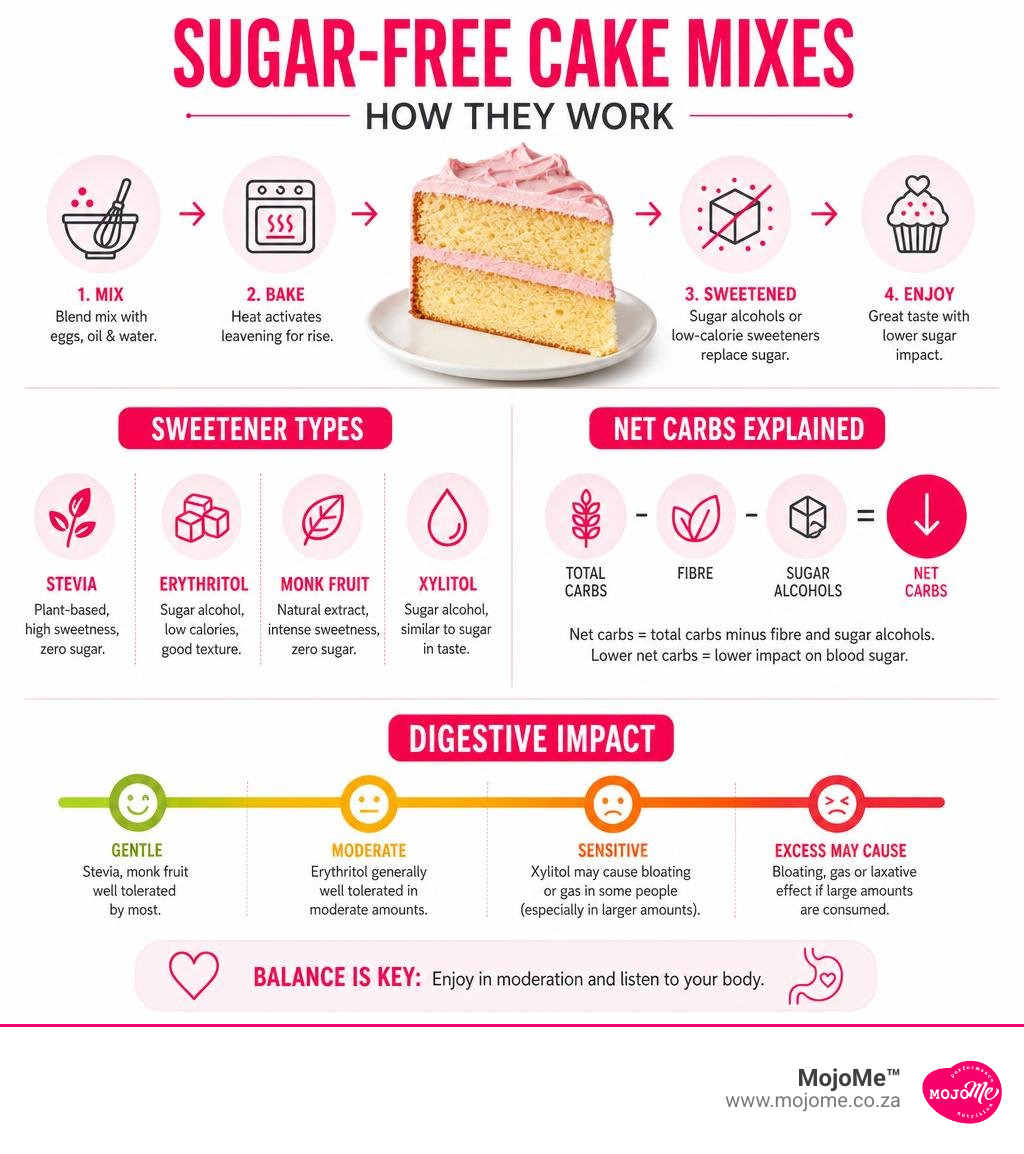
Sugar free cake mixes terms made easy:
The Nutritional Profile of Sugar Free Cake Mixes
When evaluating sugar free cake mixes it is essential to look beyond the zero sugar label on the front of the box. The overall nutritional profile of these mixes depends entirely on the base flours and the specific sweeteners used. Traditional cake mixes rely on wheat flour and sucrose, which quickly break down into glucose in your bloodstream. In contrast, health-focused alternative mixes swap these ingredients for nutrient-dense, low-glycaemic alternatives.
Understanding the Base Flours and Macronutrients
The structural foundation of a cake mix determines its carbohydrate and fibre content. Mass-market sugar-free options often continue to use refined wheat flour. While they contain no added sugar, the high starch content from the wheat still yields a high carbohydrate load.
For those on a ketogenic or strict low-carb diet, grain-free alternatives are the preferred choice. These mixes typically utilise nut flours, such as almond flour or coconut flour. Almond flour is naturally rich in healthy fats, protein and vitamin E, while coconut flour provides exceptional moisture absorption and high dietary fibre.
Dietary fibre plays a crucial role in sugar-free baking. It helps slow down digestion, promoting satiety and preventing rapid rises in insulin. Some high-quality mixes incorporate prebiotic fibres like inulin (sourced from chicory root), which not only improves the moisture retention of the cake but also supports gut health. For example, some premium chocolate cake mixes include inulin to achieve a rich, satisfying texture while keeping net carbohydrates to an absolute minimum.
The Sweetener Spectrum: From Maltitol to Allulose
The choice of sweetener is the most critical factor in how a sugar-free cake behaves in the oven and how it affects your body. To navigate the options successfully, it helps to understand the different categories of sugar substitutes. For a comprehensive breakdown of these ingredients, you can read our detailed Baking Without the Breakup: Your Guide to the Best Sugar Substitutes.
- Maltitol: This is a sugar alcohol (polyol) commonly used in mainstream commercial cake mixes. It has a sweetness profile very close to sugar and behaves well during the baking process. However, maltitol has a glycaemic index of around 35, meaning it can still cause a moderate rise in blood glucose levels. Additionally, it is notorious for causing digestive discomfort when consumed in standard dessert portions.
- Erythritol: A highly popular sugar alcohol with a glycaemic index of zero. It does not affect blood glucose or insulin levels, making it exceptionally safe for diabetics. Erythritol is absorbed in the small intestine and excreted unchanged, which means it has a much higher digestive tolerance than maltitol. It provides about 70% of the sweetness of sugar and can sometimes produce a mild cooling sensation on the palate.
- Stevia: A natural, high-intensity sweetener extracted from the leaves of the Stevia rebaudiana plant. Because it is hundreds of times sweeter than sugar, it is usually blended with a bulking agent like erythritol to allow for easy 1:1 replacement in baking.
- Allulose: Often referred to as a rare sugar, allulose is a monosaccharide that occurs naturally in tiny quantities in foods like figs and raisins. It tastes and caramelises exactly like sugar but is not metabolised by the body, resulting in virtually zero calories and no glycaemic impact. To understand why this ingredient has taken the low-carb baking world by storm, explore Why Allulose is the Award-Winning Secret to Your Keto Recipes.
Blood Glucose and Insulin Response
For anyone managing diabetes or insulin resistance, the primary goal of using sugar-free products is maintaining stable blood glucose levels. Traditional refined sugar causes a rapid spike in blood sugar followed by a sharp insulin release and an inevitable energy crash.
By replacing sucrose with low-glycaemic sweeteners like erythritol or stevia, you can enjoy a dessert that has a negligible impact on your blood sugar. This is particularly beneficial for creating 78 Diabetic Friendly Desserts That Won’t Spike Your Sugar.
However, always check the ingredient list. If a mix is sweetened primarily with maltitol or contains high-glycaemic thickeners like maltodextrin, you will need to monitor your portions carefully to avoid unexpected blood sugar elevations.
Digestive Tolerance of Sugar Alcohols
Sugar alcohols are carbohydrates that chemically resemble both sugar and alcohol molecules. Because our bodies cannot fully digest them, they pass through the digestive tract largely intact. In the colon, certain sugar alcohols can undergo fermentation by gut bacteria or draw water into the bowel, leading to gas, bloating or a laxative effect.
Maltitol and isomalt are the most common culprits behind these digestive issues. Erythritol, on the other hand, is widely considered the easiest sugar alcohol on the stomach because the vast majority of it is absorbed into the bloodstream before reaching the large intestine. When choosing a cake mix, selecting formulas that rely on erythritol, stevia or allulose will significantly reduce the risk of digestive distress.
Nutritional Comparison: Sugar-Free vs. Traditional Cake Mix
The table below illustrates the typical nutritional differences per 100g of dry mix between a standard commercial cake mix and a premium low-carb, sugar-free alternative.
| Nutrient | Traditional Wheat-Based Cake Mix | Premium Low-Carb Sugar-Free Mix |
|---|---|---|
| Energy (kJ) | ~1600 kJ | ~1200 kJ |
| Total Carbohydrates (g) | ~78g | ~35g |
| Sugars (g) | ~45g | < 1g |
| Polyols / Sugar Alcohols (g) | 0g | ~25g |
| Net Carbs (g) | ~78g | ~4-6g |
| Dietary Fibre (g) | ~1.5g | ~12g |
| Protein (g) | ~4g | ~15g |
| Fat (g) | ~3.5g | ~18g |
Top Varieties of Sugar Free Cake Mixes for South African Bakers
Baking from scratch can be time-consuming, especially when you have to source specialty ingredients like almond flour, erythritol and xanthan gum. This is where the convenience of pre-formulated sugar free cake mixes becomes invaluable. They eliminate the guesswork of measuring alternative flours and binders, ensuring a consistent rise and crumb every time.
For South African bakers, finding high-quality options that align with a clean, grain-free lifestyle is essential. We recommend exploring our curated Product Category: Baking Mixes to find premium, locally made options that contain absolutely no added sugar, grains or gluten.
Decadent Chocolate Sugar Free Cake Mixes
Chocolate cake is a timeless favourite for birthdays, Sunday lunches and late-night cravings. Fortunately, cocoa powder is naturally low in carbohydrates and rich in antioxidants, making chocolate one of the easiest flavours to adapt to a sugar-free format.
A premium sugar-free chocolate mix relies on high-quality cocoa powder to deliver a deep, luxurious flavour without needing sugar to mask bitterness. When baked, these mixes produce a wonderfully moist and dense crumb. If you are looking to stock your pantry with chocolate options, you can order directly from our online store:
To prepare these chocolate mixes, you generally only need to add wet ingredients like eggs, butter or coconut oil and water. For an extra rich variation, some bakers swap the water for unsweetened almond milk or freshly brewed coffee, which intensifies the chocolate notes.
Classic Sponge and Vanilla Sugar Free Cake Mixes
A classic sponge or vanilla cake serves as the perfect blank canvas for any celebration. Whether you want to make a traditional layered birthday cake with fresh cream, a fruit-topped gateau or simple cupcakes for a school event, a reliable vanilla mix is a must-have.
The challenge with sugar-free vanilla cakes is achieving that light, airy crumb without the structural support that melted sugar typically provides. Premium vanilla mixes solve this by using finely ground almond flour and precise raising agents to ensure the cake rises beautifully in the oven.
For your next gathering, consider these versatile options:
These mixes pair wonderfully with sugar-free berry compotes, sugar-free lemon curd or a simple dusting of powdered erythritol.
Spiced Carrot Sugar Free Cake Mixes
Carrot cake is beloved for its moist, dense texture and warm, aromatic spices like cinnamon, nutmeg and ginger. Because carrots contain natural sugars, they bring a pleasant inherent sweetness to the batter, allowing for an incredibly satisfying dessert that requires less added sweetener.
A high-quality sugar-free carrot cake mix combines these warm spices with a grain-free flour base to recreate the traditional rustic texture. You can easily customise this cake by folding in chopped pecans or walnuts for a delightful crunch.
Get ready to bake a comforting, spiced treat:
Pair this cake with a rich, sugar-free cream cheese frosting for the ultimate afternoon tea experience.
Baking Tips and Texture Solutions for Sugar-Free Cakes
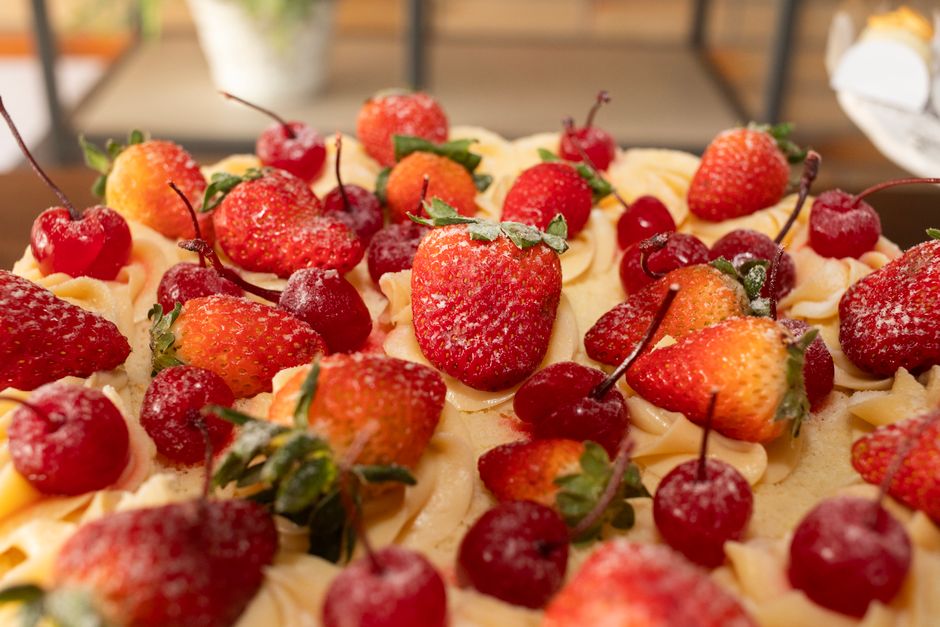
Baking with alternative flours and sugar substitutes requires a slight shift in technique compared to traditional baking. Sugar does more than just sweeten a cake; it also retains moisture, tenderises the crumb and helps the batter brown through caramelisation. When you remove sugar, you have to compensate for these structural changes.
If you encounter any issues with crumbly or dry results, our troubleshooting guide on Fixing Sugar-Free Baking Mix Texture Problems offers excellent, practical solutions.
1. Watch Your Oven Temperature
Alternative flours, particularly almond flour, are sensitive to heat. They can brown much faster than wheat flour. If your oven runs slightly hot, the outside of your cake may burn before the centre is fully baked. We recommend baking sugar-free cakes at a moderate 160°C to 170°C and checking for doneness a few minutes before the recipe’s suggested baking time.
2. Boost Moisture Retention
Because gluten-free and grain-free flours absorb liquids differently, sugar-free cakes can sometimes turn out dry. To ensure a moist crumb, do not overbake your cake. A toothpick inserted into the centre should come out clean or with just a few moist crumbs attached. If you want an extra moist texture, you can add a tablespoon of sour cream, full-fat Greek yoghurt or unsweetened applesauce to the wet ingredients.
3. Let the Cake Cool Completely
This is perhaps the most important rule of sugar-free baking. Cakes made with erythritol and nut flours are incredibly delicate when hot. As they cool, the fats solidify and the alternative sweeteners structure reforms, giving the cake its final, stable texture. If you try to slice or de-pan a sugar-free cake straight out of the oven, it is highly likely to crumble. Let it rest in the pan for at least 15 minutes, then transfer it carefully to a wire rack to cool completely before frosting.
4. Egg Substitutions
Eggs provide crucial structure, lift and moisture in grain-free baking. If you need to make a cake egg-free, commercial egg replacers or flaxseed eggs (one tablespoon of ground flaxseed mixed with three tablespoons of warm water) can work. However, keep in mind that egg-free, grain-free cakes will naturally be denser and more fragile, so handle them with extra care.
Frequently Asked Questions about Sugar-Free Baking
Are sugar-free cake mixes suitable for people with diabetes?
Yes, most sugar-free cake mixes are suitable for diabetics, but you must look closely at the ingredient list and the total carbohydrate count.
Many commercial mixes labelled sugar-free still use standard wheat flour, which has a high glycaemic index and will cause a significant rise in blood glucose levels. For optimal glycaemic control, diabetics should choose grain-free, low-carb mixes that use nut flours and are sweetened with non-nutritive sweeteners like erythritol, stevia or allulose. Always consult your healthcare professional or a registered dietitian to determine how these treats best fit into your personal meal plan.
Do sugar-free cake mixes cause digestive issues?
They can, depending on the type of sweetener used and your personal sensitivity. Mixes that rely heavily on maltitol, sorbitol or xylitol are more likely to cause bloating, gas or a mild laxative effect, particularly when consumed in larger quantities.
If you have a sensitive stomach, look for mixes sweetened with erythritol or stevia, as these are generally much easier on the digestive system. Practising moderate portion control is also a simple and highly effective way to enjoy your desserts comfortably.
How do I frost a sugar-free cake?
Frosting a sugar-free cake is simple once you have the right ingredients. Traditional icing sugar cannot be used, but you can easily make a velvety, sugar-free alternative.
We recommend using a cream cheese or butter base blended with a powdered sweetener that dissolves smoothly without leaving a gritty texture. For inspiration and recipes, read our guide on Sugar-Free Cake Frosting. To make your baking even more convenient, you can find premium icing solutions in our shop:
These powdered options dissolve perfectly, giving you a smooth, professional finish without any sugar.
Conclusion
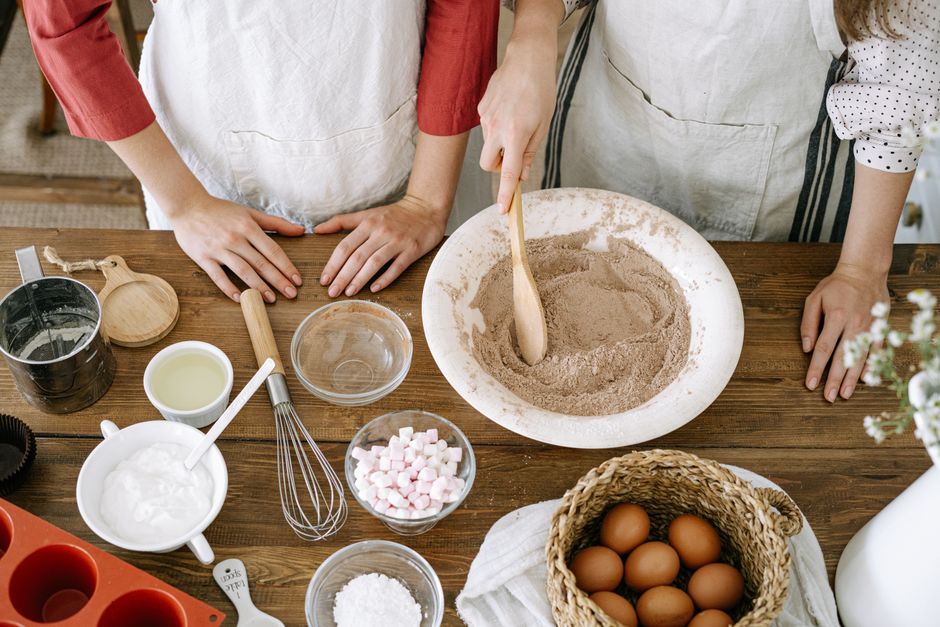
Choosing sugar free cake mixes does not mean you have to compromise on the joy of baking or the delicious taste of a freshly made dessert. By understanding the nutritional profiles, choosing the right sweeteners and applying a few simple baking adjustments, you can create spectacular cakes that support your health goals.
At MojoMe™, we are dedicated to helping South Africans live vibrant, healthy lives. Based in beautiful Cape Town, we produce premium, 100% natural baking mixes and keto nutrition products. Our formulations contain absolutely no grains, gluten, fillers or added sugars. We combine science-backed nutrition with clean, high-quality ingredients so you can enjoy your favourite treats with complete peace of mind.
Ready to fill your kitchen with the aroma of healthy, guilt-free baking? Explore our full range and Shop MojoMe Baking Mixes today.