Understanding the Macros of a Keto Friendly Muffin Mix
When selecting a keto friendly muffin mix, the nutritional label tells the real story. Unlike traditional mixes that rely on wheat flour and sucrose, keto versions prioritise high-quality fats and fibres. To ensure you stay in ketosis, we must focus on net carbs rather than total carbs.
Net carbs are the carbohydrates that your body actually digests and converts into glucose. In the context of South African keto baking, we calculate this by taking the total carbohydrates and subtracting both dietary fibre and polyols (sugar alcohols). Polyols like erythritol have a glycemic index of zero and do not contribute to an insulin response.
A typical high-quality mix will offer between 1g and 5g of net carbs per serving. For example, a serving might contain 18g of total carbohydrates, but with 5g of fibre and 10g of polyols, the impact on your blood sugar is minimal. This is essential for those following a strict ketogenic protocol or managing diabetes.
Fibre is another critical component. Many mixes include prebiotic fibres like inulin or chicory root, which support gut health while providing the necessary bulk for a “cake-like” crumb. For a deeper dive into how these ingredients affect your body, explore our guide to nutritional standards for low carb baking. Understanding how to navigate labels helps you avoid “dirty keto” products that might contain hidden maltodextrin or starches. For more on how to swap out traditional sugars, check out our more info about sugar substitutes.
Essential Ingredients for Low Carb Baking Success
The secret to a perfect muffin lies in the quality of the raw materials. In our Cape Town facility, we emphasise 100% natural, grain-free and non-GMO ingredients. When you look at the back of a keto friendly muffin mix pack, you should recognise every word.
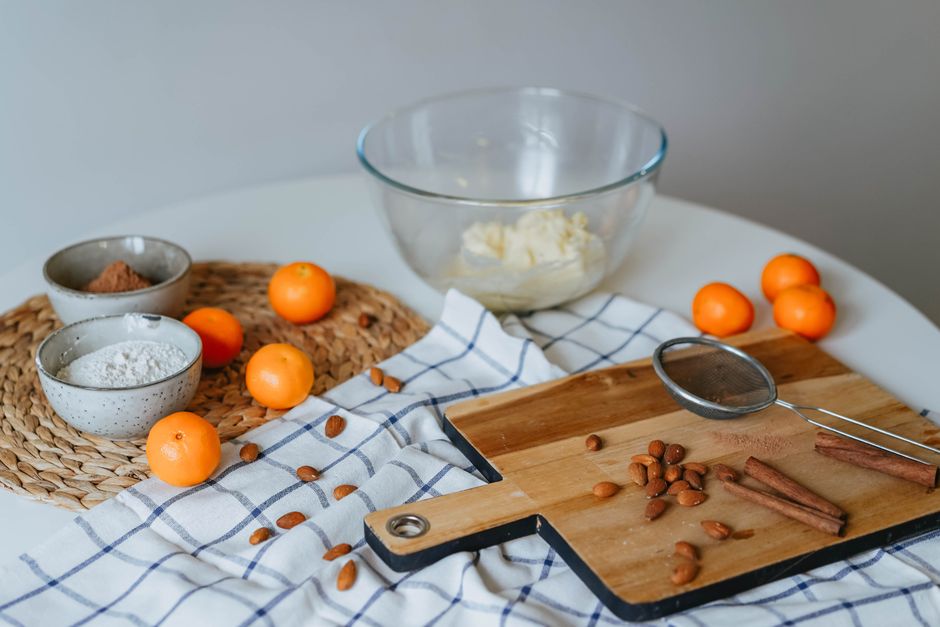
The foundation of any keto bake is the flour alternative. Because we avoid wheat, rye and barley, we turn to nut and seed meals that provide healthy fats and protein.
| Flour Type | Net Carbs (per 100g) | Protein | Best For |
|---|---|---|---|
| Almond Flour | ~10g | High | Fluffy, buttery texture |
| Coconut Flour | ~18g | Medium | High fibre, very absorbent |
| Sunflower Seed Flour | ~7g | Very High | Nut-free, earthy flavour |
Flour Alternatives in a Keto Friendly Muffin Mix
Almond flour is the gold standard for most mixes. It provides a delicate crumb and a naturally sweet, nutty flavour. However, not all almond flours are equal. Super-fine blanched almond flour is preferred over almond meal to avoid a gritty texture.
Coconut flour is often used in combination with other flours. It is incredibly absorbent, meaning you need significantly less of it compared to almond flour, and it requires more liquid or eggs to prevent the muffins from becoming dry.
Sunflower seed meal is an excellent nut-free alternative. It is a nutritional powerhouse, containing more protein than many grains and seeds. It offers a mild taste that works well in both sweet and savoury applications. You can find more info about ketogenic ingredients on our dedicated ingredient pages.
Natural Sweeteners and Their Impact on Texture
The choice of sweetener affects more than just the taste; it influences the “mouthfeel” and moisture of the muffin.
- Erythritol: The most common keto sweetener. It provides about 70% of the sweetness of sugar but can sometimes have a “cooling” aftertaste. It is excellent for structure but can crystallise if used in very high amounts.
- Monk Fruit: Often blended with erythritol, monk fruit extract is hundreds of times sweeter than sugar. It helps round out the flavour profile without adding calories.
- Allulose: A rare sugar that is gaining popularity because it behaves almost exactly like table sugar. It browns beautifully and helps keep muffins moist and soft, preventing the dryness sometimes associated with erythritol-only bakes.
To find the right balance for your home pantry, you can shop natural sweeteners directly from our store.
How to Prepare and Customise Your Keto Baking Kits
Preparation is where many beginners stumble. Keto batters do not behave like traditional wheat batters. Because there is no gluten to overwork, you don’t have to worry about “tough” muffins, but you do need to ensure proper emulsification of fats and liquids.
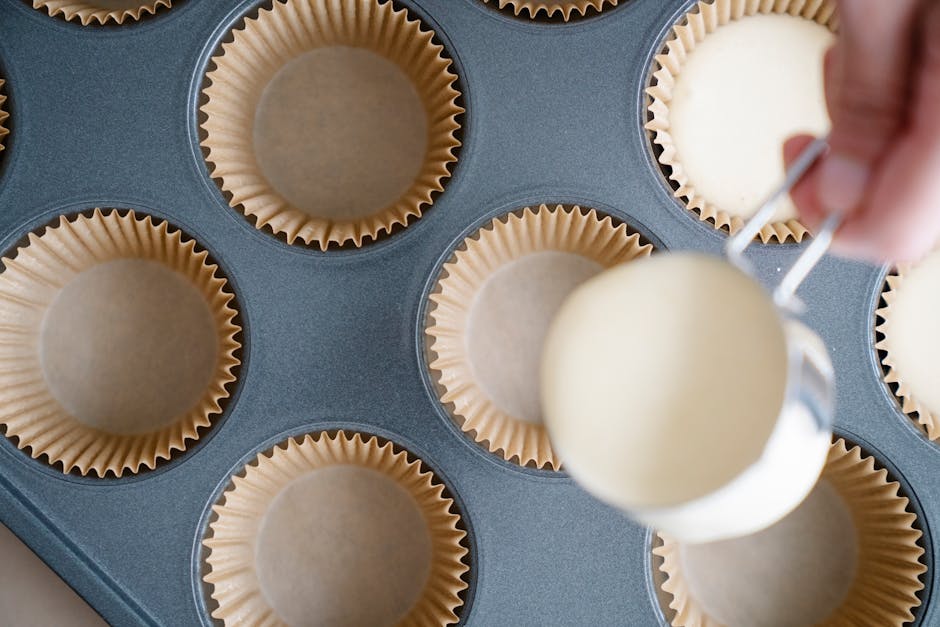
Always ensure your eggs and any added liquids (like almond milk or water) are at room temperature. If you add cold eggs to melted butter or coconut oil, the fat will solidify, leading to a lumpy batter and uneven bake. Use metric measurements for precision, as even a 10g difference in flour can change the outcome of a coconut-flour based mix. If you find your bakes are too dense or sinking, see our more info about fixing texture problems.
Optimal Baking Temperatures and Times
Most keto muffins bake best at slightly lower temperatures than traditional recipes to prevent the nut flours from browning too quickly.
- 160 degrees Celsius: Ideal for fan-forced ovens. This slower bake allows the centre to set without burning the edges.
- 180 degrees Celsius: Suitable for conventional ovens.
Baking times usually range from 18 to 25 minutes. Use the “toothpick test”—insert a wooden skewer into the centre of a muffin; if it comes out clean or with just a few dry crumbs, they are ready. Keto muffins continue to firm up as they cool, so avoid over-baking.
Creative Add-ins and Flavour Variations
A plain keto friendly muffin mix is a blank canvas. You can easily elevate a basic kit with these additions:
- Fresh Blueberries: These are low-glycemic in moderation. Toss them in a teaspoon of almond flour before adding to the batter to prevent them from sinking to the bottom.
- Sugar Free Chocolate: Choose chips sweetened with stevia or erythritol for a decadent treat.
- Citrus Zest: Lemon or orange zest adds a bright, fresh note without adding carbs.
- Savoury Twists: Omit the sweetener and add cheddar cheese, chives and cooked bacon for a breakfast muffin.
For more inspiration, browse our tips for gluten free flavour variations.
Comparing Homemade vs Store Bought Solutions
Choosing between a pre-packaged mix and a “from scratch” recipe depends on your lifestyle and your need for consistency.

The Benefits of Pre-made Keto Friendly Muffin Mix
The primary advantage of a mix is convenience. In under 30 minutes, you can have a batch of muffins in the oven without measuring out five different bags of expensive ingredients.
- Consistency: Commercial mixes are professionally formulated to ensure the ratio of leavening agents (like baking powder) to flour is perfect every time.
- Portion Control: Most mixes are designed to make exactly 8 to 12 muffins, helping you manage your daily macro intake.
- Shelf Life: A sealed mix is a pantry staple that lasts for months, ready for whenever a craving strikes.
You can shop keto baking mixes that meet our strict “no-junk” standards.
Crafting Your Own Mix from Scratch
If you have the time, making your own mix allows for total customisation. You can adjust the ratio of almond to coconut flour or choose your preferred sweetener blend. Many keto enthusiasts prefer bulk preparation, mixing the dry ingredients for 4 or 5 batches at once and storing them in glass jars. This is a great strategy for keto breakfast prep for the week ahead.
Frequently Asked Questions about Keto Baking
Are keto muffin mixes suitable for diabetics?
Yes, most high-quality keto mixes are designed to be low-glycemic. By using sweeteners like erythritol and monk fruit, these products aim to provide a negligible insulin response. This makes them a much safer alternative to traditional “diabetic” products that often contain maltitol or high amounts of starch. For a list of safe treats, see our more info about diabetic friendly desserts.
Can I freeze baked keto muffins?
Absolutely. In fact, keto muffins often freeze better than wheat-based ones. Once completely cooled, wrap them individually or place them in an airtight container. They will last for 4 to 6 months in the freezer. To reheat, simply thaw at room temperature or warm them gently in the microwave for 20 seconds. This helps maintain moisture retention and ensures you always have a keto-friendly snack on hand.
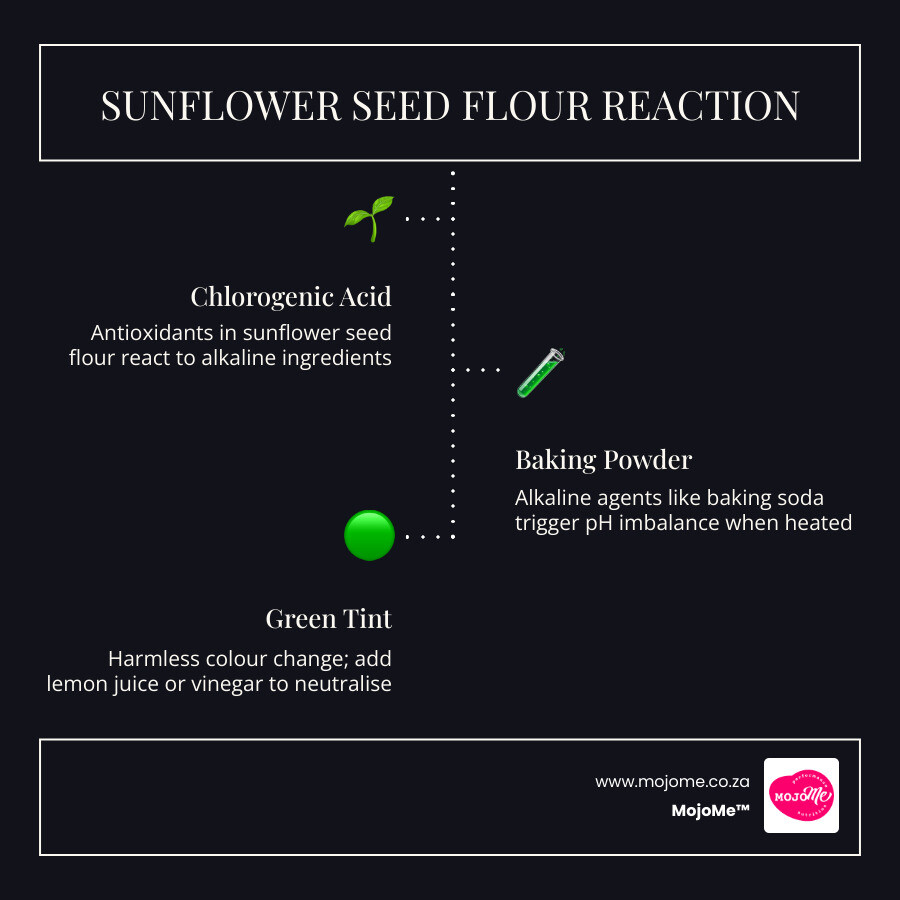
Why did my muffins turn green?
This is a common and harmless chemical reaction that occurs when using sunflower seed flour. The chlorogenic acid (antioxidants) in the seeds reacts with the alkaline baking powder or baking soda when heated. While the green colour might be surprising, it does not affect the taste or safety of the muffin. To minimise this, you can add a teaspoon of lemon juice or apple cider vinegar to the batter to balance the pH.
Conclusion
At MojoMe, we believe that following a ketogenic lifestyle shouldn’t feel like a sacrifice. Based in Cape Town, we are committed to producing 100% natural, award-winning baking solutions that support your health goals. Whether you are looking for a quick breakfast or a guilt-free afternoon treat, our range of mixes ensures you get the best nutrition without the grains, gluten or added sugars.
Ready to fill your kitchen with the scent of fresh baking? Shop the full range of keto friendly muffin mix and baking kits and discover how easy low-carb living can be.