Why Allulose Sugar Free Syrup Belongs in Your Pantry
If you have been looking for a sweetener that works like sugar but does not spike your blood glucose, allulose sugar free syrup is one of the most promising options available today.
Quick answer: What is allulose sugar free syrup?
- A liquid sweetener made from allulose, a rare naturally occurring sugar found in figs, raisins and maple syrup
- Approximately 70% as sweet as regular sugar with less than 10% of the calories
- Glycaemic index of zero: it does not raise blood glucose or insulin levels
- Not metabolised by the body: absorbed in the small intestine and excreted in urine
- FDA-approved and classified as Generally Recognised as Safe (GRAS)
- Suitable for keto, diabetic-friendly, low-carb and sugar-free lifestyles
- Dissolves easily in hot and cold drinks and performs well in baking and cooking
For South Africans managing blood sugar, following a ketogenic diet or simply cutting back on refined sugar, allulose syrup offers a practical and science-backed alternative. Unlike many artificial sweeteners, it has no bitter aftertaste and behaves similarly to sugar in recipes, including browning and caramelisation.
The challenge has always been finding a sweetener that tastes right, performs right in the kitchen and does not compromise your health goals. Allulose syrup addresses all three.
Below, we cover everything you need to know: how allulose works in the body, how it compares to other sweeteners like erythritol and xylitol, the best ways to use it and what the clinical research actually says.
Basic allulose sugar free syrup terms:
What is Allulose and How Does It Differ from Sugar?
Allulose is scientifically classified as a rare monosaccharide or simple sugar. It is also known as D-psicose. Although it shares the exact same chemical formula as fructose (C6H12O6) the atoms are arranged differently. This subtle structural variation completely changes how the human body processes it.
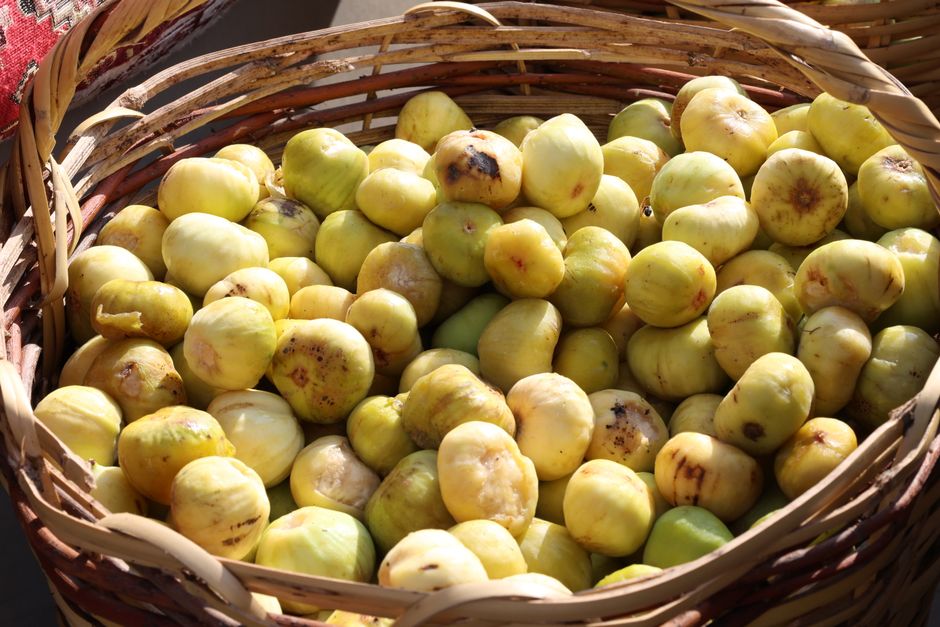
In nature allulose exists in very small quantities. It can be found in wheat, figs, raisins, maple syrup and molasses. Because it is so scarce in nature food producers typically produce it through an enzymatic conversion process using corn starch or other plant-based carbohydrate sources. The result is a pure and molecularly identical sweetener that replicates the clean taste and physical bulk of sucrose.
When you consume traditional sugar your digestive enzymes break it down and your body rapidly absorbs it into the bloodstream. This triggers a release of insulin to transport the glucose into your cells for energy. Any excess is stored as fat.
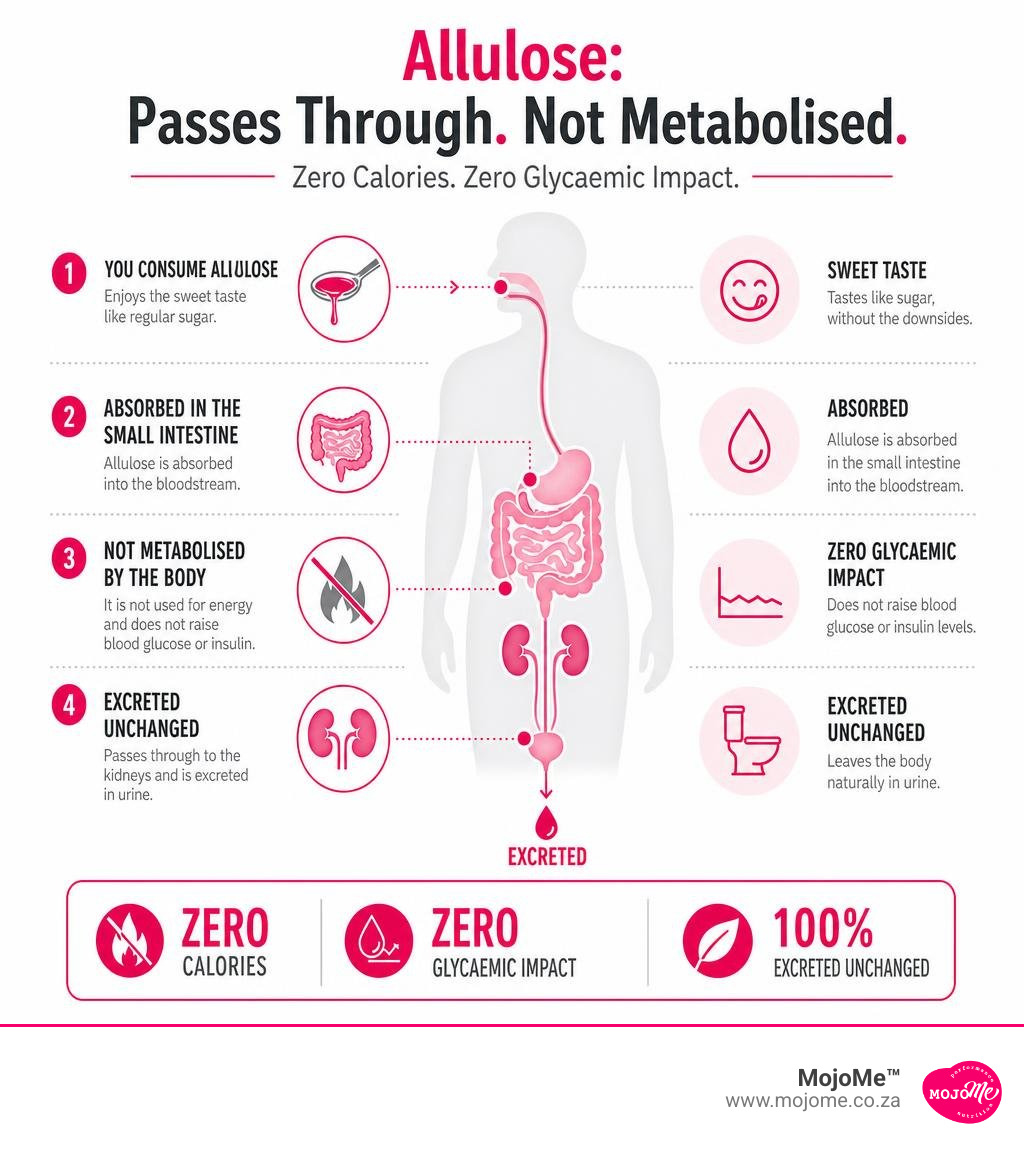
Allulose behaves quite differently. When you consume allulose sugar free syrup approximately 70% of the allulose is absorbed in the small intestine. However the body does not possess the enzymes required to metabolise or break down this specific isomer. Instead of circulating as glucose or being stored as glycogen or fat the absorbed portion enters the bloodstream and is excreted completely unchanged in the urine. The remaining 30% passes into the large intestine where it is mostly excreted without undergoing significant fermentation.
This unique metabolic pathway means allulose has a glycaemic index of zero. It contributes virtually no calories to your daily limit. In fact it contains fewer than 1.7 kilojoules (0.4 calories) per gram which is less than 10% of the energy value of table sugar. For anyone monitoring their macronutrient intake or managing insulin resistance this makes allulose a highly functional tool.
To explore how this rare sugar compares to other options on the market you can read our detailed breakdown on sugar substitutes.
Why Choose Allulose Sugar Free Syrup for Metabolic Health
Managing metabolic health in South Africa has become increasingly important as rates of type 2 diabetes and obesity continue to rise. Traditional sugar-free syrups often rely on artificial chemicals or heavy sugar alcohols that can leave a bitter metallic aftertaste or cause severe digestive issues. Choosing a natural liquid sweetener that supports your metabolic goals without these drawbacks is a major step forward.
Clinical Evidence and the Allulose Sugar Free Syrup GLP-1 Connection
One of the most exciting areas of clinical research surrounding allulose is its impact on weight management and appetite regulation. Glucagon-like peptide-1 (GLP-1) is a hormone produced naturally in the gut in response to food intake. It signals satiety to the brain, slows down gastric emptying and helps regulate insulin secretion. Modern weight-loss medications mimic this exact hormone to help individuals manage their appetite.
Clinical trials have shown that allulose can actually stimulate the body to produce its own endogenous GLP-1. In studies where participants consumed between 5g and 10g of allulose before meals (equivalent to about one to two tablespoons of allulose syrup) researchers observed a noticeable increase in circulating GLP-1 levels. This natural hormone release helps suppress appetite, increases feelings of fullness after eating and contributes to better portion control.
By stabilising these hormonal pathways allulose syrup serves as a highly supportive addition to ketogenic and low-carb lifestyles. You can discover more about how this functional sweetener enhances low-carb cooking in our guide on why allulose is the secret to keto recipes.
Blood Glucose Management and Insulin Response
For individuals living with type 2 diabetes or prediabetes maintaining stable blood glucose levels is a daily priority. Traditional sweet syrups made from sucrose, maple or honey cause immediate spikes in postprandial (post-meal) blood glucose.
Allulose has been shown to have a flatline impact on blood glucose and insulin levels. In fact several clinical studies suggest that consuming allulose alongside a carbohydrate-rich meal can actually suppress the typical blood glucose rise. A meta-analysis of clinical data indicated that allulose can reduce postprandial blood glucose levels by approximately 10% when consumed with carbohydrates.
It does this by inhibiting alpha-glucosidase and alpha-amylase, which are the enzymes responsible for breaking down starch into simple sugars in the gut. It also assists in promoting the transport of glucose into liver cells where it can be stored as glycogen rather than circulating in the blood. This makes it an exceptionally safe sweetener for diabetics. To find delicious ways to enjoy sweet treats without risking your health goals browse our collection of diabetic friendly desserts.
Culinary Performance and Practical Applications
Many sugar substitutes fail in the kitchen because they lack the physical properties of real sugar. They might sweeten a dish but they do not provide the necessary bulk, mouthfeel or texture. Allulose sugar free syrup is a rare exception because it behaves almost identically to liquid fructose and glucose.
Baking and Cooking with Allulose Sugar Free Syrup
In baking sugar does much more than provide sweetness. It retains moisture, provides structure and participates in the Maillard reaction. The Maillard reaction is the chemical reaction between amino acids and reducing sugars that gives browned foods their desirable golden colour and rich flavour.
Because allulose is a reducing sugar it browns and caramelises beautifully. In fact it browns faster and at lower temperatures than sucrose. When baking with allulose syrup we recommend reducing your oven temperature by 25 °C and keeping a close eye on your baked goods. If the top begins to brown too quickly simply cover the dish with a piece of foil to allow the inside to cook through.
Allulose syrup also excels at moisture retention. It is highly hygroscopic, meaning it draws in and holds onto moisture. This makes it perfect for soft-baked cookies, moist cakes, chewy protein bars and smooth ice cream. Unlike erythritol which can make frozen desserts icy and hard allulose lowers the freezing point of liquid mixtures. This results in a soft and scoopable texture for home-made sugar-free ice cream. For more tips on selecting the right ingredient for your culinary projects read our comprehensive guide to the best sugar substitutes.
Sweetening Beverages and Cocktails
If you enjoy craft cocktails, iced coffee or sweetened tea you know that granulated sugar substitutes do not dissolve well in cold liquids. They often sink to the bottom of the glass or leave a gritty texture.
Allulose syrup is highly soluble and functions as a perfect sugar-free simple syrup. It blends seamlessly into both hot and cold liquids without separating or crystallising. You can use it to sweeten morning espresso, pour it over low-carb pancakes or use it to balance the acidity in salad dressings and marinades.
For cocktail enthusiasts it provides the necessary viscosity and mouthfeel that artificial sweeteners lack, allowing you to create sugar-free margaritas, mojitos or espresso martinis that pour and taste like the originals. To find premium, pure options for your drink creations explore the MojoMe Sugar Substitutes collection.
Comparing Allulose to Other Sugar Substitutes
When choosing a sugar substitute it is helpful to understand how they compare in sweetness, physical behaviour and digestive tolerance.
Below is a comparative table showing how allulose stacks up against other popular sweetening agents:
| Feature | Allulose | Erythritol | Xylitol | Sucrose (Sugar) |
|---|---|---|---|---|
| Sweetness Level | ~70% of sugar | ~70% of sugar | 100% of sugar | 100% |
| Glycaemic Index | 0 | 0 | 7 to 13 | 65 |
| Energy Value | <1.7 kJ/g | 0.8 kJ/g | 10 kJ/g | 17 kJ/g |
| Caramelisation | Yes (Excellent) | No | No | Yes (Excellent) |
| Crystallisation | No | Yes (High) | Yes | No |
| Pet Safety | Safe | Safe | Toxic to dogs | Safe |
| Digestive Impact | Very High Tolerance | Moderate Tolerance | Low Tolerance | High (But spikes sugar) |
Allulose vs Erythritol and Xylitol
Erythritol and xylitol are sugar alcohols (polyols) that are widely used in the low-carb community. While they are effective they have distinct limitations that allulose does not share.
Erythritol is known for its high rate of crystallisation. When used in syrups or baked goods it often recrystallises as it cools, leaving a crunchy texture and a distinct cooling effect on the tongue. This cooling sensation can overpower delicate flavours in tea or coffee. Allulose does not crystallise in liquid form and has no cooling effect, offering a completely neutral, clean sweetness.
Xylitol is a popular sweetener that matches the sweetness of sugar but it carries a significant risk for pet owners. It is highly toxic to dogs, even in tiny amounts. For South African households with pets keeping xylitol in the pantry can be a safety concern. Allulose is safe for pets. Furthermore xylitol has a lower digestive tolerance threshold and can cause rapid laxative effects if consumed in moderate quantities. You can compare these properties further by checking our pure Erythritol Sweetener and Xylitol Sweetener products.
Allulose vs Traditional Sugar and Honey
Traditional sweeteners like sucrose (table sugar) and honey are calorie-dense and cause rapid spikes in blood glucose. Honey is often promoted as a healthy alternative but it is still highly concentrated in fructose and glucose, which can disrupt ketosis and impact insulin sensitivity.
Allulose syrup provides 90% fewer calories than sugar and honey while matching approximately 70% of the sweetness. To achieve the exact sweetness of sugar in a recipe you can use about 1.3 times the amount of allulose syrup or combine it with a tiny pinch of a high-intensity natural sweetener like stevia.
Another major benefit of allulose over traditional sugars is dental health. Bacteria in the mouth cannot metabolise allulose, meaning it does not promote tooth decay or plaque formation. If you are looking for a complete sugar replacement that combines the benefits of erythritol and stevia without the issues of sugar explore Sugazero.
Frequently Asked Questions about Allulose Syrup
As allulose gains popularity in South Africa consumers frequently ask questions about its safety, digestive tolerance and storage requirements.
Is allulose safe and approved for consumption?
Yes allulose is safe to consume. The US Food and Drug Administration (FDA) granted allulose Generally Recognised as Safe (GRAS) status in 2012. In 2019 the FDA also ruled that allulose does not need to be listed under total or added sugars on nutrition labels because the body does not metabolise it as sugar.
In South Africa food products containing allulose are imported and sold in compliance with local health regulations. However it is worth noting that allulose is not yet fully approved for use in the European Union or Canada where it is still classified as a novel food. This classification is due to the lengthy regulatory review processes for new ingredients rather than safety concerns.
Does allulose cause digestive side effects?
Most sugar substitutes can cause digestive discomfort if consumed in excessive quantities. However allulose is highly tolerated by the human digestive system because the vast majority of it is absorbed in the small intestine and excreted in urine rather than fermenting in the colon.
Clinical studies indicate that digestive side effects such as mild gassiness, bloating or a rumbling stomach only occur when consumption exceeds 0.5g of allulose per kilogram of body weight in a single sitting. For a person weighing 70kg this equates to a single dose of 35g of pure allulose, which is roughly three to four tablespoons of syrup. Most people use far less than this in their daily coffee or meals. If you are new to allulose we recommend starting with one teaspoon (about 5g) to assess your personal tolerance.
How should allulose syrup be stored and what is its shelf life?
To maintain the quality and consistency of your allulose syrup it should be stored in a cool, dry place away from direct sunlight. The ideal storage temperature is between 15 °C and 25 °C.
Because allulose syrup is highly stable it has an excellent shelf life of 12 to 24 months. Unlike sugar alcohols it will not crystallise or separate over time. If you notice any slight thickening of the syrup during cold winter months in the Western Cape simply place the bottle in a bowl of warm water for a few minutes to restore its smooth liquid consistency.
Conclusion
Finding a sugar-free alternative that fits into a healthy lifestyle without compromising on taste or cooking performance can be challenging. Allulose sugar free syrup offers an elegant solution. With its natural origin, zero glycaemic impact and excellent performance in baking and beverages it is an ideal cupboard staple for anyone looking to reduce their sugar intake.
At MojoMe™ we are committed to providing pure, potent and science-backed health products from our home in Cape Town. We believe that healthy living should be simple, delicious and free from unnecessary fillers or artificial additives.
If you are ready to upgrade your morning coffee, pancakes or sugar-free baking projects Explore MojoMe Sugar Substitutes and discover the difference that premium quality ingredients can make to your daily wellness routine.