You Don’t Have to Give Up Dessert to Manage Diabetes
A diabetic friendly dessert is any sweet treat made with low-glycaemic ingredients that help keep blood sugar stable. Here is a quick summary of what makes a dessert safe for people with diabetes:
- Low in carbohydrates – aim for 30g of carbs or less per serving
- Uses sugar substitutes – such as erythritol, xylitol, stevia or monk fruit instead of refined sugar
- High in fibre – ingredients like oats, almond flour and berries slow glucose absorption
- Contains healthy fats – avocado, nut butters and coconut slow digestion and reduce blood sugar spikes
- Minimally processed – whole, natural ingredients with no hidden sugars
Managing diabetes does not mean cutting out every sweet thing you enjoy. With the right swaps, you can satisfy cravings without the glucose rollercoaster.
Refined sugar causes rapid blood sugar spikes. Natural and non-nutritive sweeteners with a glycaemic index close to zero offer a safer path to sweetness. The key is knowing which ingredients to choose and keeping portions in check.
This guide covers 78 tested dessert ideas, from no-bake cheesecakes to chocolate mousse, along with the science, ingredients and shopping tips you need to bake with confidence.
Understanding the Science of a diabetic friendly dessert
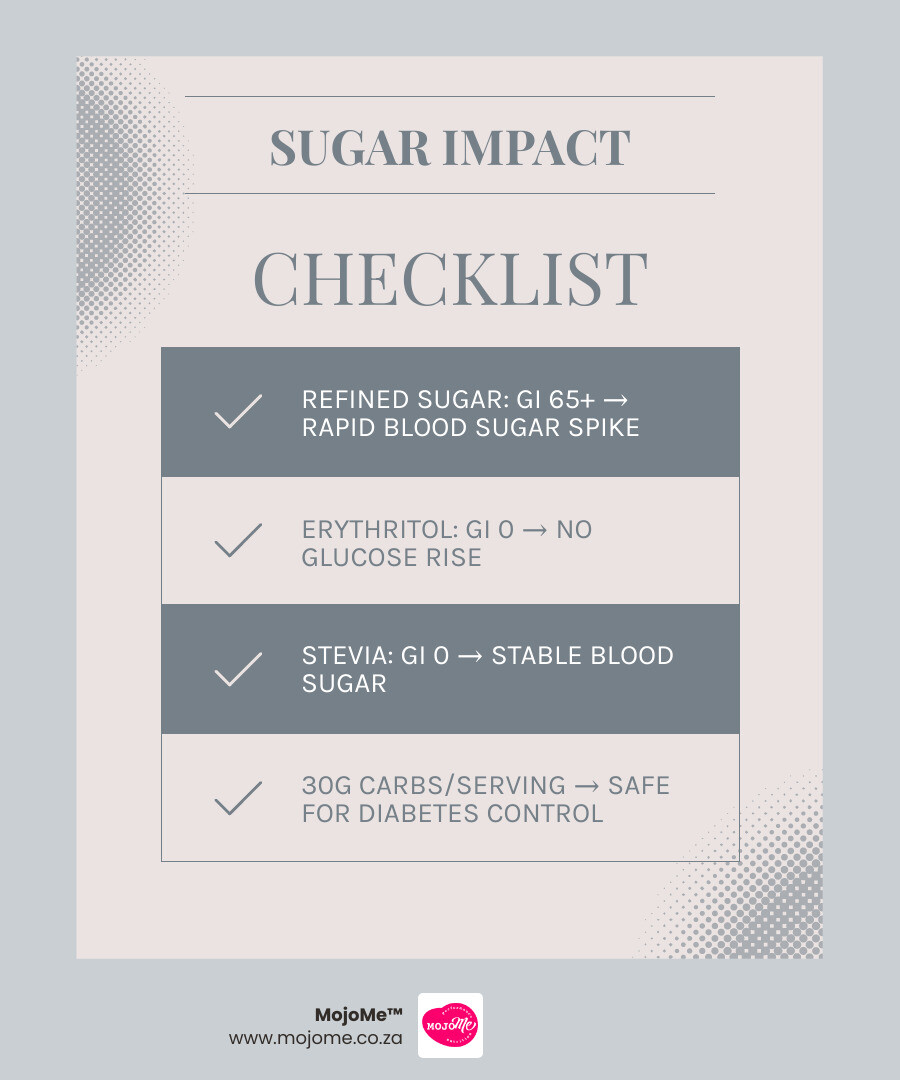
When we talk about a diabetic friendly dessert, we are essentially discussing the Glycaemic Index (GI). The GI is a rating system for foods containing carbohydrates. It shows how quickly each food affects your blood sugar level when eaten on its own. Traditional desserts are usually high GI because they rely on sucrose (table sugar) and refined wheat flour, both of which break down into glucose almost instantly.
To keep a dessert safe for someone with diabetes, we focus on keeping the total carbohydrate count per serving to about 30g or less. Many experts, including those at the American Diabetes Association, suggest that even tighter limits of 15g to 20g of carbs per serving are ideal for maintaining tight glycaemic control.
| Sweetener / Ingredient | Glycaemic Index (GI) | Impact on Blood Sugar |
|---|---|---|
| White Sugar (Sucrose) | 65 | High Spike |
| Honey (Natural) | 58 | Moderate to High Spike |
| Xylitol Sweetener | 7 – 12 | Very Low Impact |
| Erythritol Sweetener | 0 | No Impact |
| Stevia | 0 | No Impact |
One of our favourite ways to illustrate this science is through a Berry Swirl Yoghurt Bark. By using full-fat Greek yoghurt, which contains protein and healthy fats, and mixing it with low GI berries, the net carbs remain low. Net carbs are calculated by taking the total carbohydrates and subtracting the fibre and sugar alcohols. This number gives a more accurate representation of how much a dessert will actually impact your glucose response.
How Fibre and Healthy Fats Manage Blood Sugar
Fibre is the unsung hero of the diabetic diet. Soluble fibre, in particular, dissolves in water to form a gel-like material. This slows down the absorption of sugar and improves blood sugar levels. When we bake, we swap out refined flour for Almond Flour or Coconut Flour.
Almond Flour is not only low in carbs but also high in magnesium and healthy monounsaturated fats. These fats slow down the digestion process. Think of it as a speed bump for sugar; it prevents the glucose from rushing into your bloodstream all at once. This leads to increased satiety, meaning you feel fuller for longer and are less likely to overindulge. Using these heart healthy fats ensures that your diabetic friendly dessert is as nutritious as it is delicious.
Essential Ingredients for Sugar Free Baking
Baking without sugar might seem daunting at first, but it is actually an opportunity to use more flavourful, nutrient-dense ingredients. The goal is to replace the bulk and sweetness of sugar without the metabolic cost.

We recommend using non-nutritive sweeteners that do not provide calories or significantly raise blood glucose. Erythritol Sweetener is a popular choice because it has about 70% of the sweetness of sugar but zero calories. For those who prefer a 1:1 sweetness ratio, Xylitol Sweetener is excellent, though it must be kept away from pets as it is toxic to dogs.
Other essential ingredients include:
- Stevia and Monk Fruit: These are high intensity sweeteners. A little goes a long way. They are often blended with erythritol to improve the taste profile and texture in baking.
- Sugar Free Chocolate: Look for chocolate sweetened with stevia or erythritol. High cocoa content (85% or more) is also naturally lower in sugar.
- Pure Extracts: Vanilla, almond and citrus extracts add depth of flavour without adding carbs.
Choosing the Best Flour for a diabetic friendly dessert
Traditional wheat flour is a concentrated source of carbohydrates. For low carb baking, we turn to nut and fruit fibres. Almond Flour is the gold standard for most recipes. It provides a moist, dense crumb that works perfectly for cookies and brownies.
If you are looking for a lighter texture, such as a Sponge Cake base, you might use a blend of almond and coconut flour. Coconut Flour is incredibly absorbent, so you need much less of it compared to wheat flour. These gluten free options are naturally higher in protein, which further helps in stabilising blood sugar levels. For a perfectly risen cake, we often use whipped egg whites to provide volume, a technique commonly seen in flourless chocolate cakes and meringues.
10 Easy and Delicious Recipes to Try at Home
Satisfying a sweet tooth does not have to be complicated. Here are ten of our favourite ways to enjoy a diabetic friendly dessert using simple ingredients and MojoMe™ staples.
- Frozen Berry Yoghurt Swirl: Blend frozen raspberries with a splash of almond milk and a teaspoon of Erythritol Sweetener. Fold this into thick Greek yoghurt for an instant “nice cream” that is high in protein and low in sugar.
- Avocado Chocolate Mousse: Blend one ripe avocado, 30g of unsweetened cocoa powder, a splash of vanilla and your preferred sweetener. The avocado provides a silky texture and healthy fats that keep the GI low.
- Overnight Chocolate Chia Seed Pudding: Mix 3 tablespoons of chia seeds with 250ml of unsweetened almond milk and a tablespoon of cocoa. Let it sit overnight. The fibre in the chia seeds is fantastic for glucose management.
- Dark Chocolate Brownies: Use our Dark Chocolate Brownie Mix for a fudgy, decadent treat that takes the guesswork out of carb counting.
- No-Bake Strawberry Cheesecake: Create a crust using crushed nuts and butter. For the filling, whip together cream cheese, stevia and fresh strawberries. Chill until firm.
- Strawberry Yoghurt Whips: Beat together non-fat Greek yoghurt and a sugar free strawberry jelly powder for a light, fluffy mousse that contains only about 6g of carbs per serving.
- Flourless Sweet Potato Brownies: Mashed sweet potato provides a natural sweetness and moist texture without the need for refined flour.
- Caramelised Spiced Pears: Sauté pear slices with cinnamon and a touch of Xylitol Sweetener. The warming spices enhance the natural sweetness of the fruit.
- Berry Oatmeal Crisp: Use a mix of blueberries and raspberries topped with a crumble made from oats, Almond Flour and cold butter.
- Customised Cakes: Start with an Almond Cake or Sponge Cake mix and finish with our Sugar Free Icing for a professional result that won’t cause a sugar crash.
Incorporating a diabetic friendly dessert into a Balanced Meal Plan
Eating a diabetic friendly dessert is about more than just the recipe; it is about the context of your whole day. We recommend timing your sweets to coincide with a meal that is high in fibre and protein. This further blunts the glucose response.
Portion control is the most critical factor. Even a low carb dessert has calories and some impact on blood sugar. We suggest sticking to a 30g carb limit for any snack or dessert. Monitoring your glucose levels with a CGM (Continuous Glucose Monitor) or a standard finger-prick test after trying a new recipe can help you understand how your body specifically reacts to different sugar substitutes. Diabetic nutrition is highly individual, and what works for one person might be different for another.
Managing Cravings and Holiday Celebrations
Holidays can be a minefield for those managing diabetes, but they don’t have to be. Seasonal treats can be easily adapted. For example, Christmas meringues can be made using egg whites and Erythritol Icing Dust instead of castor sugar. These are light, airy and virtually carb-free.
During the colder months, a pumpkin spice custard made with cream, eggs and warming spices offers a comforting, pie-like flavour without the carb-heavy crust. If you are attending a party, consider bringing a plate of Sugar Free Chocolate Dry Roasted Almond treats. They provide a satisfying crunch and are always a hit with all guests, regardless of their dietary needs.
Other festive ideas include:
- Sugar Free Carrot Cake Muffins: Use our Carrot Cake mix for easy portioning.
- Fruit Based Crisps: Use seasonal fruits like apples or berries with a nut-based crumble.
- Gingerbread Cookies: Swap molasses for a sugar free syrup and use almond flour for a low GI holiday classic.
Why Portion Control Matters
Even the healthiest diabetic friendly dessert can be problematic if eaten in excess. Calorie density is often higher in low carb desserts because they use nut flours and fats to replace sugar. Mindful eating is essential. Take the time to savour each bite, which helps you feel satisfied with a smaller serving.
In South Africa, we have rich dessert traditions, from Malva pudding to Milktart. Many of these can be “hacked” by using Erythritol Sweetener and low carb flours. For those who travel or eat out frequently, keeping Erythritol Sachets in your bag ensures you can sweeten your tea or coffee without relying on the sugar provided at restaurants.
Smart Shopping and Store Bought Alternatives
When you aren’t baking at home, you need to be a label detective. Store bought “diabetic” or “sugar free” treats often contain hidden sugars or sugar alcohols that can still affect your blood glucose.
Be particularly wary of maltitol. It is a sugar alcohol commonly used in sugar free sweets, but it has a glycaemic index of about 35 to 52, which is high enough to cause a significant spike in many people. It can also cause digestive distress. Instead, look for products that use Sugazero options or other Sugar Substitute varieties like erythritol and stevia.
Label transparency is key. A truly diabetic friendly dessert will clearly list its net carbs and the types of sweeteners used. Always check the serving size; a package might look small but contain two or three servings, doubling or tripling your carb intake if you eat the whole thing.
Frequently Asked Questions about Diabetic Desserts
What is the best sweetener for baking without a bitter aftertaste?
Many people find that stevia can have a bitter or metallic aftertaste. To avoid this, we recommend using a blend. Erythritol Sweetener or Xylitol Sweetener provide the bulk and a clean sweet taste, while a small amount of stevia or monk fruit can boost the sweetness level. MojoMe™ sweeteners are specifically chosen for their superior taste profile in baking.
Can I eat fruit based desserts every day if I have diabetes?
Fruit contains natural sugars (fructose) and carbohydrates, so they must still be counted. However, fruits like berries (strawberries, raspberries and blueberries) are lower in sugar and higher in fibre than tropical fruits like mangoes or bananas. If you enjoy a fruit based diabetic friendly dessert daily, ensure it fits within your total daily carbohydrate allowance and pair it with a protein or fat source to slow absorption.
How do I convert a standard recipe into a diabetic friendly version?
The easiest way is to use a 1:1 sugar replacement like Xylitol Sweetener. For the flour, you can usually replace wheat flour with Almond Flour, but you may need to add an extra egg or a bit more binding agent (like xanthan gum) as nut flours lack gluten. Alternatively, using pre-made Baking Mixes is the most reliable way to ensure a successful result every time.
Conclusion
Living with diabetes in South Africa doesn’t mean you have to miss out on the joy of a delicious dessert. By understanding the science of the glycaemic index and making smart swaps with high quality ingredients, you can enjoy a wide variety of treats. From our Cape Town home to your kitchen, MojoMe™ provides premium, science-backed nutrition to help you maintain a healthy lifestyle without sacrificing flavour.
Whether you are whipping up a quick chocolate mousse or baking a show-stopping cake for a special occasion, the right tools make all the difference. For more inspiration and easy-to-use options, explore our range of diabetic friendly baking mixes and natural sweeteners today. Enjoy the sweetness of life, responsibly.