Why Getting Enough Protein in Pregnancy Matters More Than You Think
Finding the best protein powder for pregnancy is one of the most practical steps you can take to support both your health and your baby’s development, especially when nausea, food aversions or a busy lifestyle make it hard to hit your daily targets through food alone.
Quick answer: what to look for in a pregnancy protein powder
| Priority | What to look for |
|---|---|
| Safety | Third-party tested for heavy metals (lead, cadmium, mercury) |
| Protein source | Whey isolate, pea protein or egg white protein |
| Protein per serving | 20g to 25g per serving |
| Additives to avoid | Artificial sweeteners, herbal blends, excess Vitamin A, caffeine |
| Certifications | NSF, Informed Choice or Clean Label Project certified |
| Extras worth having | Choline, iron, essential amino acids |
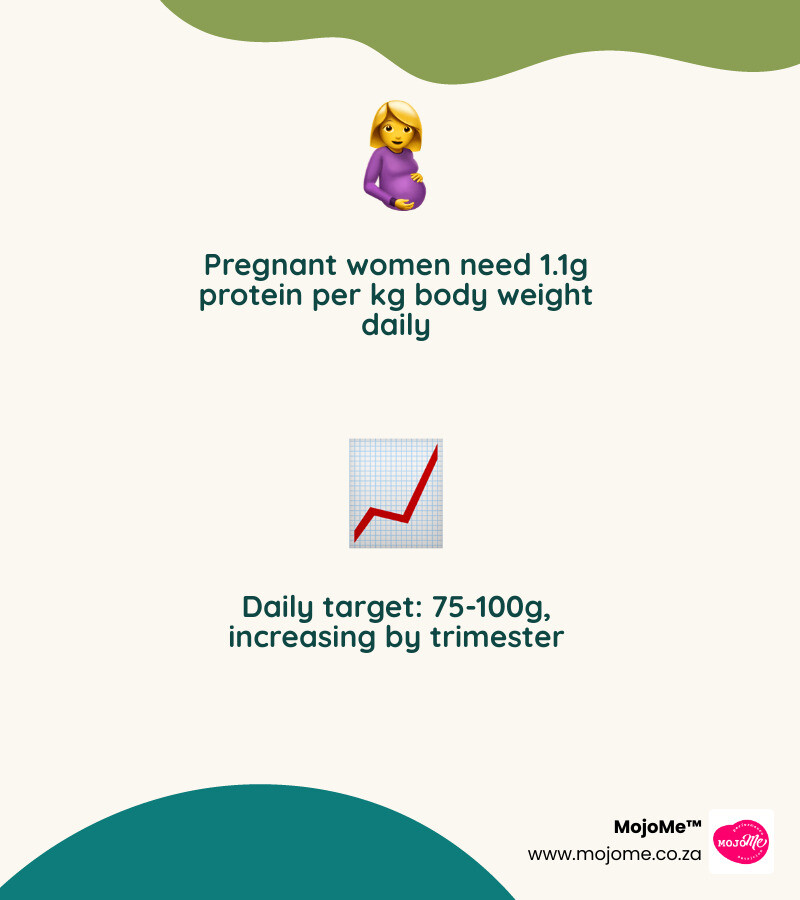
Research suggests that up to 67% of pregnant people may not be getting enough protein. Most healthcare providers recommend a minimum of 1.1g of protein per kilogram of body weight per day during pregnancy, which typically works out to between 75g and 100g daily depending on your trimester, activity level and body weight.
Whole foods should always come first. But protein powders can fill real gaps, particularly during the first trimester when nausea makes eating a challenge, or in the postpartum period when recovery demands are high and time is short.
Not all protein powders are safe for pregnancy. Many products on the market contain herbs, adaptogens, artificial sweeteners or levels of certain vitamins that are not appropriate during this stage of life. Third-party testing is non-negotiable.
Why Protein is Essential for Maternal and Fetal Health
Protein is often called the building block of life and for good reason. During pregnancy, your body is in a state of rapid growth. Amino acids derived from protein are the fundamental units required to build every cell in your baby’s body, including their brain, organs and muscles.
Beyond the baby, maternal health depends heavily on adequate protein intake. It is essential for the growth of the placenta, the expansion of maternal blood volume and the development of breast and uterine tissue. Without enough protein, you may experience increased fatigue, muscle loss or a weakened immune system.
Daily Requirements and Trimester Increases
The Recommended Dietary Allowance (RDA) for a non-pregnant woman is typically 0.8g of protein per kilogram of body weight. However, scientific research on protein needs during pregnancy indicates that these requirements increase significantly.
Experts suggest a minimum of 1.1g per kilogram of body weight. In practical terms, this means a woman weighing 68kg (150 lb) would need approximately 75g to 100g of protein daily. Some fertility specialists and dietitians even recommend targets as high as 1.2g to 1.5g per kilogram in the second and third trimesters to support the baby’s peak growth phase.
While many women aim for at least 80g in the first half of pregnancy, this often needs to increase to 100g in the second half. This is where high-quality supplementation can help. For those curious about specific protein types, is collagen safe during pregnancy is a common question, as collagen provides specific amino acids like glycine that support stretching tissues and joints.
Choosing the Best Protein Powder for Pregnancy
When searching for the best protein powder for pregnancy, safety and purity must be your top priorities. Unlike medications, dietary supplements are not strictly regulated by the FDA or local authorities in the same way. This means the burden of proof for safety often falls on the manufacturer.
We recommend looking for products that undergo rigorous third-party testing. This ensures that what is on the label is actually in the tub and, more importantly, that harmful contaminants are absent. For a selection of high-quality options, you can browse our product category/protein powder to see clean, natural formulations.

Identifying the Best Protein Powder for Pregnancy Ingredients
A premium pregnancy-safe protein powder should do more than just provide protein. It should complement your prenatal vitamin by offering key nutrients that are often difficult to obtain in sufficient quantities.
- Choline: Critical for baby’s neurodevelopment and brain health. Many women do not meet the recommended 450mg daily intake.
- Iron: Your iron needs increase from 18mg to 27mg daily during pregnancy. Plant-based proteins like pea protein can offer a natural iron boost.
- Essential Amino Acids (EAAs): Ensure the powder is a “complete” protein, meaning it contains all nine amino acids the body cannot produce on its own.
- Folate: Supports neural tube development.
For more detailed reviews on top-rated options, the 6 best pregnancy-safe protein powders provides a good breakdown of what is currently leading the market. Additionally, understanding the skinny on collagen can you take these pills while pregnant helps clarify how different protein formats can fit into your routine.
Avoiding Harmful Additives in the Best Protein Powder for Pregnancy
What is not in your protein powder is just as important as what is. Some ingredients common in standard gym supplements can be risky during pregnancy:
- Heavy Metals: Lead, cadmium and mercury can accumulate in the body and affect fetal development. Always check for heavy metal screening.
- Artificial Sweeteners: Ingredients like saccharin should be avoided, and while others like stevia are generally considered safe, some women prefer to avoid them due to taste or digestive sensitivity.
- Excess Vitamin A: High levels of preformed Vitamin A (retinol) can be harmful to a developing baby.
- Unverified Herbal Blends: Many “wellness” powders include adaptogens or herbs that have not been studied for safety in pregnancy.
- Caffeine: While a small amount is usually fine, some powders contain high doses for “energy” that may exceed the recommended 200mg daily limit.
For those looking for the ultimate in purity, we suggest our shop/mojome pure whey isolate, which focuses on minimal ingredients and maximum bioavailability.
Comparing Protein Types: Whey vs Plant-Based vs Collagen
Not all proteins are created equal. Your choice may depend on your dietary preferences, digestive health and specific nutritional goals.
| Protein Type | Bioavailability | Key Benefits | Considerations |
|---|---|---|---|
| Whey Isolate | Very High | Complete amino acids, fast absorption | Contains dairy (though very low lactose) |
| Pea Protein | High | Iron-rich, vegan-friendly, hypoallergenic | Can have a “chalky” texture |
| Collagen | Medium | Supports skin, joints and pelvic floor | Not a complete protein; needs pairing |
| Egg White | High | Low FODMAP, dairy-free, complete protein | Not suitable for egg allergies |
Whey protein is often considered the gold standard for muscle and tissue repair due to its complete amino acid profile. You can explore our product category/whey protein for options that are free from fillers and artificial additives.
Plant-based proteins like pea, rice and hemp are excellent for those following a vegan diet. Pea protein is particularly noteworthy because it provides a significant amount of iron, which is vital as your blood volume increases.

Benefits of Collagen for Expectant Mothers
While collagen is not a complete protein (it lacks the essential amino acid tryptophan), it is incredibly rich in glycine. Glycine becomes “conditionally indispensable” during pregnancy, meaning your body cannot make enough to meet the increased demand.
Collagen supports the health of your joints and ligaments as they soften in preparation for birth. It also contributes to skin elasticity, which may help with the physical changes of a growing belly. Many mothers find that adding collagen to their routine collagen protein blend fit into spring workouts helps maintain their activity levels safely.
Practical Ways to Incorporate Protein into a Pregnancy Diet
Meeting a 100g daily protein goal can feel daunting, especially if you are struggling with morning sickness. The key is to break it down into manageable 20g to 30g servings throughout the day.
Nausea Management: If the thought of a heavy meal makes you queasy, a cold, blended smoothie is often easier to tolerate. The liquid format is gentle on the stomach and provides hydration.
Mixing Tips: To ensure a smooth consistency, we recommend a ratio of one serving (roughly 30g) to 250ml of liquid. If you find your collagen protein blend isnt mixing well solutions often involve using a frother or blending it with a banana for natural thickness.
Beyond Smoothies:
- Baking: Swap a portion of flour for protein powder in muffin or pancake recipes.
- Oats: Stir a serving into your morning porridge after cooking.
- Yogurt: Mix protein powder into Greek yogurt for a high-protein snack that keeps blood sugar stable.
Frequently Asked Questions about Pregnancy Protein
Can protein powder support fertility and PCOS?
Yes. Adequate protein intake is vital for hormone production and blood sugar regulation. For women with PCOS, a higher protein diet can improve insulin sensitivity, which is crucial for regular ovulation. Fertility specialists often recommend a target of 1.2g of protein per kilogram of body weight when trying to conceive (TTC) to support egg quality.
Is protein powder safe while breastfeeding?
Absolutely. In fact, your protein needs remain elevated during lactation to support milk production and postpartum tissue recovery. A high-quality protein powder can be a lifesaver for busy new mothers who may struggle to find time to prepare full meals.
How do I choose a powder for a sensitive stomach?
Pregnancy often slows down digestion, leading to bloating or constipation. If you have a sensitive stomach, look for “Pure” isolates or egg white proteins, which are often low FODMAP. Avoid powders with sugar alcohols (like xylitol or erythritol) as these can cause gas and bloating.
Conclusion
Navigating supplements while pregnant requires a cautious and informed approach. By focusing on third-party tested, natural products, you can safely meet your increased nutritional demands.
At MojoMe, we are proud to be a part of the South African health and wellness industry. Based in Cape Town, we produce 100% natural supplements with no fillers, sugars, gluten or grains. Our science-backed range is designed to provide potent, pure nutrition that supports you from preconception through to postpartum recovery.
Whether you are looking for the best protein powder for pregnancy to curb those first-trimester aversions or a collagen boost for your joints, our MojoMe collagen and protein range offers the quality and transparency you deserve during this special time. Always consult with your healthcare provider or midwife before starting any new supplement to ensure it aligns with your specific health needs.