Why Grass-Fed Whey Protein Belongs in Your Supplement Stack
Grass-fed whey protein is not all created equal. If you are navigating the supplement aisle with a sensitivity to grains, a distrust of synthetic additives or a goal of clean, sustainable nutrition, the source of your protein powder matters as much as the protein content itself.
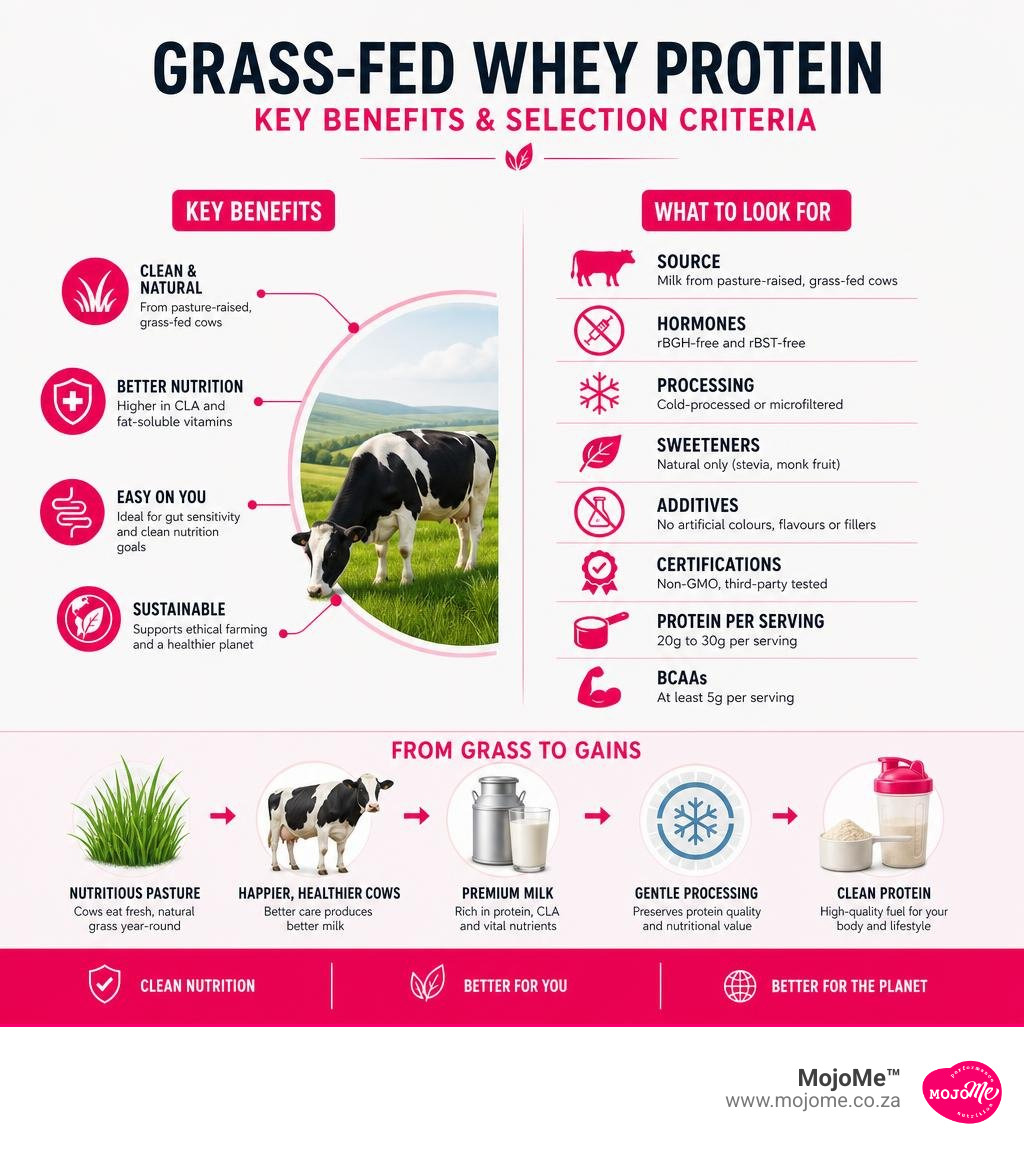
Here is a quick overview of the top options to consider:
| Criteria | What to Look For |
|---|---|
| Source | Milk from pasture-raised, grass-fed cows |
| Hormones | rBGH-free and rBST-free |
| Processing | Cold-processed or microfiltered |
| Sweeteners | Natural only (stevia, monk fruit) |
| Additives | No artificial colours, flavours or fillers |
| Certifications | Non-GMO, third-party tested |
| Protein per serving | 20g to 30g per serving |
| BCAAs | At least 5g per serving |
The core difference between grass-fed and conventional whey comes down to what the cow eats. Pasture-raised cows produce milk with a better fatty acid profile, higher levels of conjugated linoleic acid (CLA) and more fat-soluble vitamins than grain-fed counterparts. That nutritional advantage carries through into the whey.
For people dealing with inflammation, gut sensitivity or a desire to avoid synthetic inputs, those differences are not trivial.
This guide breaks down the best grass-fed whey protein options available and what to look for before you buy.
Simple grass fed whey protein glossary:
What is Grass-Fed Whey Protein and How Does It Differ?
To understand why grass fed whey protein has become the gold standard for health-conscious South Africans, we have to look closely at the dairy farm. Conventional whey protein is typically sourced from cows raised in industrial feedlots. These animals are fed a diet heavy in genetically modified grains, soy and corn to maximise milk production rapidly.
In contrast, true grass-fed whey comes from pasture-raised cows that roam freely on open fields. They graze on their natural diet of fresh green grass and wild vegetation. This pasture-centric lifestyle directly impacts the milk they produce.
Industrial dairy farming often relies on recombinant bovine growth hormone (rBGH) and other synthetic hormones to boost milk yields. When you choose a premium product like Mojome Pure Whey Isolate, you are choosing a clean supplement sourced from cows raised without these artificial hormones or routine antibiotics.
The physical separation of whey happens during the cheese-making process. Milk is curdled, separating into solid curds and liquid whey. In conventional systems, high heat and aggressive chemical processing are used to dry this liquid into powder, which can denature the delicate proteins. Premium grass-fed producers use gentle, low-temperature filtration to keep the protein structure intact. You can read more about this in our guide on Everything you need to know about grass fed whey isolate.
Globally, agricultural standards are recognising this shift toward integrity. For example, European pasture-raised standards show that cows raised on pasture produce a raw ingredient that is fundamentally superior to feedlot milk.
| Nutritional Component | Grass-Fed Whey Protein | Conventional Whey Protein |
|---|---|---|
| Omega-3 Fatty Acids | Significantly higher | Low |
| Conjugated Linoleic Acid (CLA) | Up to five times higher | Low |
| Heavy Metals & Pesticides | Minimised via natural grazing | Higher risk from feed contaminants |
| Artificial Hormones (rBGH/rBST) | Strictly free | Common in conventional systems |
| Chemical Processing | Cold-processed and microfiltered | Often high-heat treated |
Nutritional Benefits of Choosing Grass-Fed Dairy
The nutritional composition of milk is a direct reflection of the animal’s diet. When cows feed on fresh grass, their milk becomes a source of beneficial lipids and micronutrients.
One of the most notable differences is the lipid profile. Grass-fed dairy contains higher levels of omega-3 fatty acids compared to conventional dairy. Omega-3 fatty acids contribute to normal cardiovascular function and help support a balanced inflammatory response as part of a healthy diet. This relationship between forage-based feeding and milk fatty acid composition is supported by published research on forage-based dairy rations and milk fatty acid profiles.
Additionally, grass-fed whey is rich in conjugated linoleic acid (CLA). CLA is a naturally occurring fatty acid that may support fat metabolism and contribute to the maintenance of lean muscle tissue when combined with appropriate nutrition and training.
By choosing a clean option from our MojoMe Whey Protein range, you ensure that these beneficial lipids are preserved. The natural diet of pasture grazing also increases the concentration of beta-carotene, vitamin A and vitamin E in the dairy fat.
To explore how these nutritional differences affect the final powder in your shaker, take a look at our detailed breakdown of Whey protein content: a deep dive into concentrates and isolates. This demonstrates the demand for chemical-free, nutrient-dense formulations in the South African market.
Amino Acid Profile of Grass-Fed Whey Protein
When we talk about muscle repair and overall cellular health, the amino acid profile is what truly matters. Whey protein is a complete protein, meaning it contains all nine essential amino acids that the human body cannot synthesise on its own.
For athletes and active individuals, branched-chain amino acids (BCAAs) are the primary drivers of recovery. Among these, leucine is the key amino acid. Leucine acts as the biological trigger for muscle protein synthesis. To successfully initiate this recovery process, your body needs to reach a specific leucine threshold, typically between 2.5 g and 3 g of leucine per serving.
High-quality grass-fed whey isolate, such as Mojome Pure Whey Isolate, naturally delivers this optimal dose. Each serving provides a dense concentration of complete protein, helping your muscles receive the building blocks required to rebuild and strengthen after strenuous physical activity.
Bioactive Compounds and Immune Support
Beyond basic macronutrients, premium whey contains delicate bioactive compounds that support the immune system. These include immunoglobulins, lactoferrin and growth factors.
Lactoferrin is a multifunctional protein with antimicrobial and anti-inflammatory properties, while immunoglobulins help reinforce your body’s natural defence systems. However, these compounds are highly sensitive to heat.
If whey is subjected to high-temperature pasteurisation or harsh chemical processing, these valuable proteins can become denatured, reducing their biological activity. This is why we emphasise cold processing and advanced microfiltration. By keeping temperatures low during the filtration process, we protect these fragile immune-supporting fractions. You can find these carefully preserved formulations in our MojoMe Whey Protein collection.
How to Choose the Best Grass-Fed Whey Protein in South Africa
The South African wellness market is growing rapidly, but this also means consumers must be more vigilant than ever. Walking through local health shops can be overwhelming, and it is easy to fall for clever marketing terms like “all-natural” or “pasture-inspired”.
When evaluating your options, the first rule is to read the ingredient label. A premium grass-fed whey should have a clean, minimalist ingredient list. Look for products that are free from artificial sweeteners (such as sucralose, aspartame or acesulfame-K), artificial flavours, chemical colourants and unnecessary fillers.
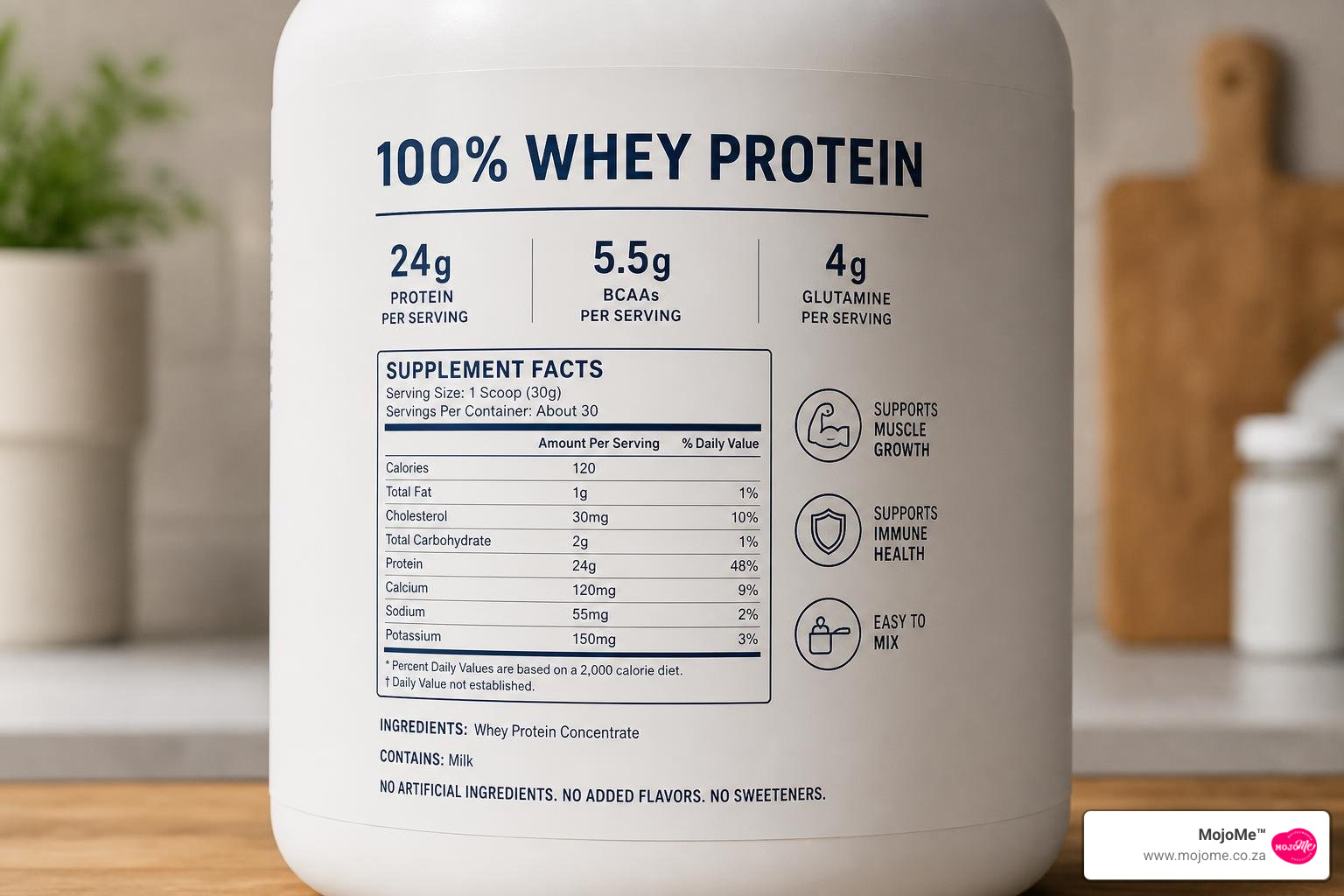
Many commercial brands use cheap thickeners, soy lecithin or maltodextrin to improve the texture of their powders. These additives can cause bloating, gas and gut irritation. At MojoMe, we formulate our products with 100% natural ingredients, ensuring they are completely free from fillers, added sugars, gluten and grains.
If you want to avoid making a costly mistake at the till, read our guide on how to Stop wandering the aisles and find the best Woolworths whey protein isolate to help you make an informed, health-first decision. Choosing a pure option like Mojome Pure Whey Isolate ensures you get maximum protein purity with zero compromises.
Sourcing and Certifications for Grass-Fed Whey Protein
To ensure you are getting genuine grass-fed quality, look for clear sourcing credentials and third-party certifications. True grass-fed dairy comes from herds that spend their days grazing outdoors on pesticide-free pastures.
When reviewing products, look for terms like hormone-free (rBST and rBGH-free), non-GMO and antibiotic-free. Some of the world’s finest grass-fed whey is sourced from regions with strict agricultural regulations and climates that support year-round grazing, such as Ireland, New Zealand and parts of Australia.
These regions showcase the rigorous traceability standards required for global certifications. If you prefer buying in larger quantities, unflavoured bulk options emphasize raw, single-ingredient purity without any added extras.
At MojoMe, we maintain strict quality control and source only the highest-grade raw ingredients, ensuring that what goes into your shaker matches our award-winning standards of purity.
Processing Methods and Digestibility
How your protein is processed directly determines how easy it is on your stomach. Many people who believe they are allergic to whey are actually reacting to denatured proteins or chemical residues left behind by low-grade manufacturing.
The premier processing method is cold-processed, multi-stage membrane filtration. This low-pressure, low-temperature technique gently filters out fat and lactose while keeping the protein structure fully intact.
For individuals with mild dairy sensitivities, premium whey isolates are highly recommended because the filtration process removes almost all lactose and fat. Additionally, some high-quality formulations include the lactase enzyme to assist your body in breaking down any remaining trace lactose, resulting in a smooth, bloat-free digestive experience.
You can explore our range of highly digestible, clean proteins under our MojoMe Whey Protein category.
Maximising Your Results with Premium Whey
To get the most out of your premium grass-fed protein, timing and consistency are key. While you can use protein powder at any time of day to hit your nutritional targets, consuming it post-workout is particularly effective.
During exercise, your muscle fibres undergo microscopic damage. Drinking a fast-absorbing grass-fed whey isolate within 45 minutes of your workout delivers a rapid stream of essential amino acids directly to your muscles, kickstarting the repair and growth process. To understand the science behind post-workout recovery, read our guide: Don’t waste your gains and drink your whey protein post-workout.
If you are looking for premium ways to incorporate grass-fed protein into your daily routine, choosing a clean, high-quality option ensures you satisfy your nutritional needs without artificial additives. Active individuals looking for robust, clean fuel can rely on premium grass-fed whey to provide a reliable daily recovery shake.
Frequently Asked Questions About Grass-Fed Whey
Is grass-fed whey protein suitable for lactose intolerance?
Yes, especially if you choose a high-quality whey protein isolate. The advanced microfiltration process used to create isolates removes almost all fat and lactose, leaving a highly concentrated protein powder that is exceptionally low in sugar. Many individuals with mild lactose sensitivity can enjoy grass-fed whey isolate without experiencing bloating, gas or digestive discomfort. However, if you have a severe dairy allergy, you should consult your healthcare provider before introducing any dairy-based supplements.
Why does grass-fed whey protein cost more than conventional whey?
The higher cost of grass-fed whey is a direct reflection of sustainable, ethical farming practices. Pasture-raised farming requires more land, lower herd densities and longer growth cycles compared to industrial feedlots. Additionally, cold-processing filtration methods are more complex and expensive than the high-heat chemical treatments used for cheap, mass-produced whey. When you pay a premium, you are investing in a product free from synthetic hormones, chemical additives and environmental toxins, while supporting better animal welfare.
Can children and pregnant women consume grass-fed whey?
In general, clean, single-ingredient grass-fed whey is safe for both children and pregnant or lactating women because it is simply a purified form of dairy protein. It can be an excellent way to support increased protein needs during pregnancy or help active, growing children meet their nutritional requirements. However, it is vital to choose unflavoured or naturally sweetened options to avoid exposing your family to synthetic sweeteners or chemical additives. Always consult your doctor or paediatrician before introducing any new supplement to children or during pregnancy.
Conclusion
When it comes to your health, the quality of your nutrition should never be compromised. Grass-fed whey protein offers a clean, highly bioavailable and nutrient-dense way to support your fitness, recovery and wellness goals. By choosing a pasture-raised source, you avoid synthetic hormones, artificial additives and inflammatory grain-fed byproducts while benefiting from superior levels of omega-3s, CLA and active immunoglobulins.
At MojoMe, we are dedicated to providing South Africans with premium, science-backed nutrition. Based in Cape Town, we formulate our award-winning products with 100% natural ingredients, ensuring they are completely free from fillers, added sugars, gluten and grains.
Ready to upgrade your supplement routine? Experience the pure, powerful difference of our Mojome Pure Whey Isolate or explore our full range of premium, natural supplements in the Product category: Whey Protein collection. Your body will thank you.