Why Bone Broth for Gut Health Is Getting So Much Attention
Bone broth for gut health is not a new idea. Cultures around the world have simmered bones for hours to create nourishing, healing broths for centuries. Today, science is beginning to explain what traditional wisdom already knew.
Quick answer: How does bone broth support gut health?
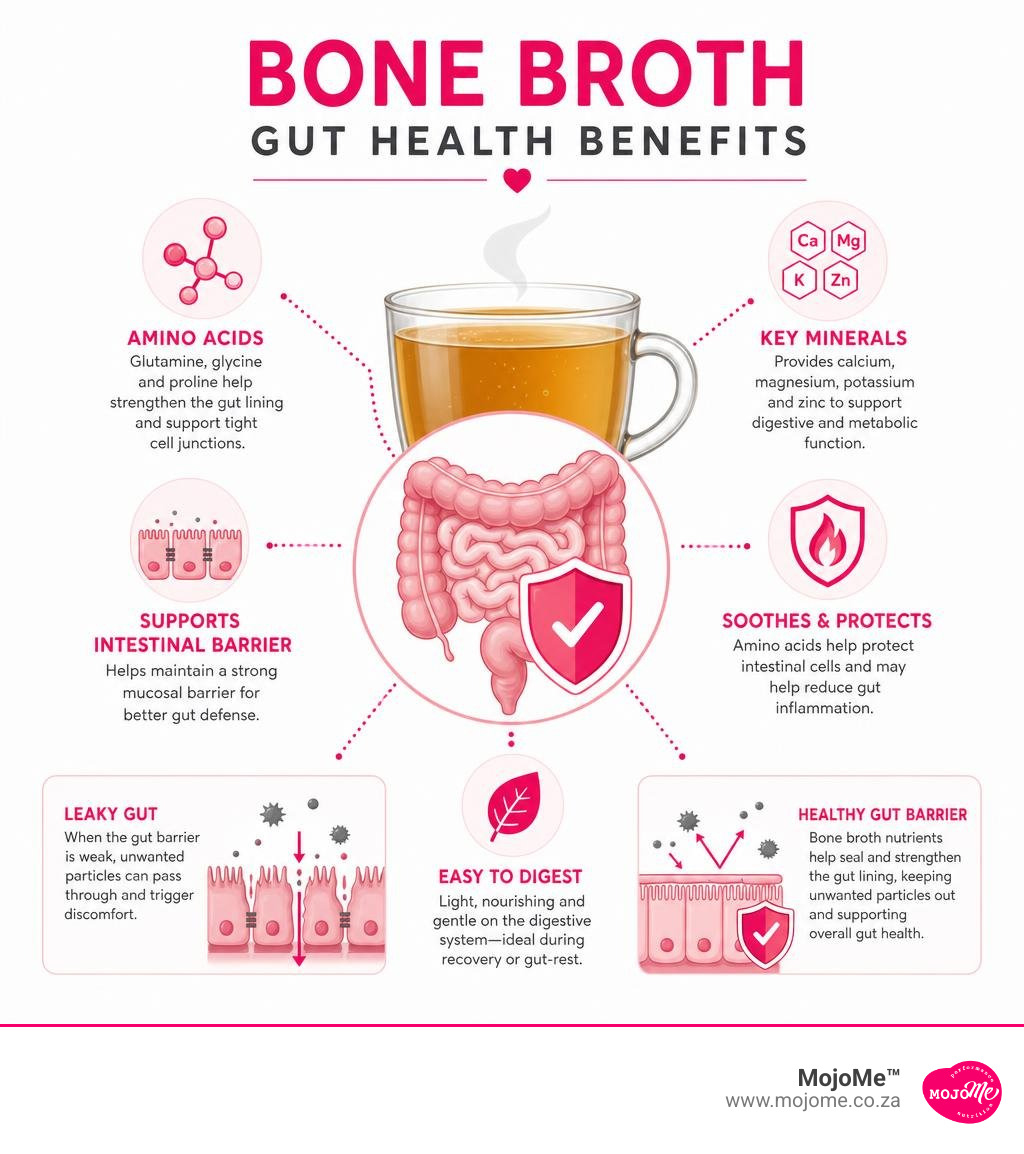
- Strengthens the gut lining by supplying amino acids (glutamine, glycine and proline) that help maintain tight junctions between intestinal cells
- Reduces intestinal permeability (“leaky gut”) by supporting the mucosal barrier
- Delivers key minerals including calcium, magnesium, potassium and zinc that support digestive and metabolic function
- Helps reduce gut inflammation with amino acids that protect intestinal epithelial cells from inflammatory damage
- Easy to digest making it suitable during gut-rest protocols or recovery periods
- May help maintain remission in inflammatory bowel conditions, though clinical evidence is still developing
Bone broth is not a cure. But as part of a broader gut-support plan, it offers a concentrated, bioavailable source of nutrients that many South Africans are not getting enough of through everyday eating.
If you are dealing with bloating, food sensitivities, irregular digestion or general gut discomfort, understanding what bone broth actually does inside your body is a good place to start.
Bone broth for gut further reading:
What is Bone Broth and How is it Made?
To understand how bone broth supports the digestive tract, we must first define what it actually is. While stock and standard cooking broths are simmered for a few short hours to extract flavour, true bone broth is a slow food masterpiece.
Bone broth is prepared by boiling and simmering the bones and connective tissues of animals (such as beef, chicken, wild game or fish) in water for an extended period. Typically, this process takes anywhere from 12 to 24 hours. The goal of this prolonged cooking is to break down the tough, structural proteins in the bones and joints.
During the simmering process, collagen, which is the primary structural protein in animal connective tissue, gradually breaks down into gelatin. Gelatin is highly soluble in warm water and is rich in a unique profile of amino acids.
Adding a mild acid, such as apple cider vinegar or lemon juice, to the water is a crucial step in traditional preparation. The acid helps demineralise the bones, pulling out essential minerals like calcium, magnesium and phosphorus into the liquid.
To learn more about how this traditional liquid gold became a modern pantry staple, you can read our guide on how Organic Bone Broth is the New Liquid Gold for Your Pantry.
For those who do not have 24 hours to simmer bones on the stove, high quality dehydrated powders offer a modern alternative. These powders are made by slow cooking the broth to extract the nutrients, then dehydrating it into a highly concentrated, shelf stable powder. This process preserves the delicate amino acids and protein structures, making it incredibly easy to stir into hot water or recipes. You can learn more about the science of making and choosing these products in Bone Broth: Nutrients, Benefits, and How to Make.
The Nutritional Power of Bone Broth for Gut Barrier Function
The human gut lining is a single layer of cells that acts as a gatekeeper. It must let beneficial nutrients pass into the bloodstream while keeping harmful bacteria, undigested food particles and toxins out. This delicate boundary is constantly renewing itself, requiring a steady supply of specific building blocks to maintain its structural integrity.
Bone broth provides an exceptionally rich source of these exact building blocks. Rather than acting as a direct medicine, it functions as a highly concentrated, bioavailable food that feeds the cells of the gut lining. For a comprehensive look at how these nutrients work, explore The Ultimate Guide to Bone Broth for Digestion.
A scientific review published in Bone Broth Benefits: How Its Nutrients Fortify Gut Barrier in Health and Disease highlights that the specific combination of amino acids and minerals found in slow simmered broths plays a direct role in maintaining the mucosal barrier and supporting cellular repair.
Key Amino Acids in Bone Broth for Gut Lining Repair
The therapeutic value of bone broth for the digestive tract lies primarily in its amino acid profile. Unlike muscle meats, which are high in amino acids like methionine, bone broth is exceptionally rich in conditional amino acids that support tissue repair:
- Glutamine: This is the primary fuel source for the cells lining the small intestine (enterocytes). Glutamine is essential for maintaining the integrity of tight junctions, which are the microscopic seals between your intestinal cells. When the body is under physical stress or dealing with chronic inflammation, metabolic demand for glutamine increases. If dietary intake is insufficient, the gut barrier can become compromised.
- Glycine: Glycine plays a direct role in protecting intestinal epithelial cells from oxidative stress and inflammatory damage. It also supports the production of gastric acid, which is necessary for proper protein digestion and preventing harmful bacterial overgrowth in the small intestine.
- Proline: Along with glycine, proline is a major component of collagen. It helps synthesise new connective tissue, allowing the gut lining to repair micro tears and maintain its protective mucous layer.
- Histidine and Arginine: These amino acids contribute to systemic anti-inflammatory pathways and support immune cells located within the gut tissue, helping to coordinate a healthy immune response.
Essential Minerals for Digestive Support
In addition to its amino acid content, slow simmered bone broth contains a matrix of essential minerals. While the exact mineral content can vary depending on the sourcing and preparation method, homemade and premium commercial bone broths contain:
- Calcium: Essential for cell signalling and maintaining the structural strength of cell membranes.
- Phosphorus: Plays a vital role in cellular energy production (ATP), which is highly demanded by the rapidly regenerating cells of the intestinal lining.
- Potassium: Helps regulate fluid balance and smooth muscle contractions along the digestive tract, supporting healthy bowel motility.
- Magnesium: Supports over 300 enzymatic reactions, relaxes the muscles of the digestive tract and helps manage the physical stress responses that can alter gut function.
- Zinc: A critical mineral for immune function and tissue repair. Zinc deficiency is closely linked to increased intestinal permeability, and adequate zinc is required to rebuild the tight junctions of the gut wall.
How Bone Broth Supports the Intestinal Barrier and Reduces Permeability
To understand how bone broth for gut health works, we must look at the phenomenon of intestinal hyperpermeability, commonly referred to as leaky gut.
The cells of your intestinal lining are bound together by complex protein structures called tight junctions. These junctions act like microscopic drawbridges. When they are functioning correctly, they open selectively to allow water and micronutrients to pass into the bloodstream.
However, factors such as chronic stress, a diet high in ultra processed foods, alcohol consumption and gut dysbiosis can trigger the release of a protein called zonulin. Zonulin is a known regulator of intestinal permeability. When zonulin levels are elevated, the tight junctions are forced open, allowing larger, undigested food proteins and bacterial toxins (lipopolysaccharides) to slip directly into the bloodstream. This leakage triggers an immune response, leading to systemic inflammation, bloating, food sensitivities and fatigue.
This is where the gelatin and amino acids in bone broth become highly valuable. When you consume bone broth, the gelatin binds to water in your digestive tract, forming a soothing, protective layer over the mucosal lining. This layer helps reduce irritation and shields the delicate cells underneath from acidic digestive juices and irritating food particles.
Furthermore, the high concentration of glutamine and glycine provides the raw materials required for the rapid cellular turnover of the gut lining, which regenerates every three to five days. By giving your body the specific nutrients needed to rebuild these cells, bone broth helps support the natural repair of tight junctions, lowering zonulin activity and supporting overall mucosal integrity.
To explore more about the structural benefits of gelatin and collagen, read about the overall Benefits of Bone Broth. For an in depth look at the clinical research surrounding these mechanisms, refer to the scientific report on how Bone Broth Strengthens Gut Barrier and Reduces Inflammation – EMJ.
Scientific Evidence: Bone Broth, Gut Inflammation and IBD
While traditional use and patient testimonials are widespread, it is important to look at what modern science says about bone broth and inflammatory bowel conditions.
Inflammatory Bowel Disease (IBD), which includes ulcerative colitis and Crohn’s disease, is characterised by chronic, severe inflammation of the digestive tract, resulting in damage to the intestinal wall.
Most direct studies on bone broth’s anti-inflammatory properties have been conducted in laboratory settings and animal models. For example, a study published in 2021 evaluated the effects of bone broth on mice with induced ulcerative colitis. The researchers found that the administration of bone broth significantly reduced intestinal inflammation, decreased mucosal damage and helped maintain the integrity of the intestinal barrier. The therapeutic effects were attributed to the synergistic action of amino acids like glycine and glutamine, which inhibited inflammatory pathways in the gut tissue.
In humans, clinical trials investigating bone broth as a standalone therapy are still limited. However, there is extensive, high quality research on the individual components of bone broth:
- Glutamine Research: Multiple clinical studies show that dietary glutamine supplementation helps maintain intestinal barrier function and reduces permeability in patients undergoing physiological stress, such as major surgery or severe illness.
- Glycine and Gelatin Studies: Research on hydrolyzed gelatin and glycine demonstrates that these compounds protect the mucosal lining of the stomach and intestines, helping to reduce the severity of gastric ulcers and mucosal irritation.
While bone broth should not be viewed as a standalone cure for complex medical conditions like IBD, celiac disease or severe GERD, it can be a highly supportive dietary tool. It provides easily absorbable, non irritating nutrition that supports the body’s natural healing mechanisms.
For a balanced, medically reviewed look at the realities of bone broth for gut repair, see Does Bone Broth Actually Heal the Gut? The Truth and Your 10-Step Plan | Ubie Doctor’s Note.
Comparing Bone Broth to Other Gut-Healing Interventions
When looking to support digestive health, you will find a variety of supplements and whole foods on the market. Understanding how bone broth compares to options like isolated collagen peptides or L-glutamine supplements can help you make an informed choice.
| Intervention | Key Nutrients Provided | Primary Gut Benefit | Practical Considerations |
|---|---|---|---|
| Bone Broth | Collagen, gelatin, amino acids (glycine, glutamine, proline) and essential minerals | Soothes the mucosa, supports tight junctions and provides highly digestible, whole food nutrition | Delicious and versatile; contains a natural matrix of co-factors; requires preparation or a high quality powder supplement |
| Collagen Peptides | Hydrolyzed Type I, II and III collagen | Supports connective tissue, skin elasticity and joint health | Odourless and tasteless; dissolves easily in cold liquids; lacks the minerals and gelatinous, soothing properties of whole bone broth |
| L-Glutamine Powder | Isolated amino acid (L-glutamine) | Targeted fuel for enterocytes; highly effective for repairing severe barrier compromise | Highly targeted; therapeutic doses must be managed carefully; does not provide the broader mineral and collagen matrix of whole foods |
| Probiotics & Fermented Foods | Beneficial live bacteria (Lactobacillus, Bifidobacterium) | Optimises the gut microbiome; produces short chain fatty acids (SCFAs) that nourish the colon | Crucial for microbial balance; can sometimes trigger bloating or histamine reactions in sensitive individuals during early stages of healing |
While isolated supplements like L-glutamine are excellent for targeted therapeutic protocols, bone broth offers a holistic, whole food matrix. The combination of gelatin, amino acids and minerals works synergistically, meaning the nutrients are absorbed and utilised more effectively by your body than when taken in isolation.
Practical Benefits and Limitations of Bone Broth for Gut Health
Incorporating bone broth for gut health into your lifestyle offers several practical advantages, but it is equally important to understand its limitations and potential contraindications.
The Benefits:
- Highly Digestible: Because the proteins are already broken down into gelatin and free amino acids, bone broth requires very little digestive effort. This makes it an ideal source of nutrition during acute digestive flare ups, illness or when appetite is low.
- Nutrient Absorption: The liquid format ensures that minerals and amino acids are rapidly absorbed in the upper digestive tract, bypassing the need for complex enzymatic breakdown.
- Versatility: It can be consumed warm in a mug, used as a nutrient dense base for soups and stews or used to cook grains like quinoa or rice to boost their nutritional profile.
The Limitations and Safety Concerns:
- Sodium Content: Commercially prepared, liquid bone broths from the supermarket can be exceptionally high in sodium. If you are managing hypertension or cardiovascular health, it is best to prepare your own unsalted broth or use a high quality, low sodium bone broth powder.
- Glutamate Sensitivity: Bone broth is naturally high in free glutamic acid (glutamate). While glutamate is vital for gut health, some individuals with neurological sensitivities or specific genetic profiles may experience headaches, brain fog or mild anxiety when consuming high amounts of long cooked broths. If you suspect a sensitivity, starting with a short cooked broth (simmered for 2 to 3 hours) or using a controlled, pure powder is recommended.
- Kidney Disease: Due to its concentrated protein and mineral content (particularly potassium and phosphorus), individuals with chronic kidney disease must consult their healthcare provider before adding bone broth to their daily diet.
When to seek medical attention: Do not rely on bone broth to treat severe, ongoing symptoms. If you experience unexplained weight loss, blood in your stool, persistent vomiting, severe abdominal pain or chronic diarrhea lasting more than two weeks, you must seek professional medical evaluation immediately.
How to Incorporate Bone Broth into Your Daily Gut-Healing Protocol
Adding bone broth to your daily routine does not have to be complicated. Whether you prefer to sip it warm in the morning as a nourishing coffee alternative or use it as a culinary base, consistency is far more important than the volume you consume.
A simple cup of warm bone broth (approximately 250 ml) on an empty stomach, 20 to 30 minutes before your first meal, is an excellent way to maximise amino acid absorption. The warm liquid stimulates digestive enzymes and prepares your stomach for food.
For those interested in a structured approach, a short term broth fast can help reset the digestive system by giving the gut a break from digesting solid foods while delivering a concentrated stream of healing nutrients. You can read more about this in our guides on the Bone Broth Fast: Your Ultimate Reset and Detox and To Broth or Not to Broth: A Deep Dive into Bone Broth and Intermittent Fasting.
A Structured 4-Week Protocol for Gut Support
If you are looking to actively support your gut lining, a progressive, four week protocol can help your system adapt without triggering digestive discomfort.

- Week 1: Introduce and Observe: Start with 125 ml (half a cup) of warm bone broth in the morning on an empty stomach. Observe how your body responds. If you experience mild bloating, this is often a sign of your digestive system adjusting to the concentrated amino acids; you can reduce the amount slightly and build up slowly.
- Week 2: Add an Afternoon Cup: Increase your intake to a full cup (250 ml) in the morning, and introduce a second half cup in the late afternoon. This is also an ideal time to reduce your intake of refined sugars, gluten and ultra processed seed oils to support the healing process.
- Week 3: Support the Repair: Maintain your daily routine of 1 to 2 cups of bone broth. Now that your gut lining is receiving structural support, you can gradually introduce small amounts of fermented foods like unsweetened kefir or sauerkraut to help balance your microbiome.
- Week 4: Consolidate and Maintain: By week four, many people report improvements in bloating, bowel regularity and energy levels. You can now transition to a sustainable maintenance dose of 1 cup of bone broth daily or use it several times a week in your home cooking.
Sourcing and Preparing High-Quality Bone Broth
If you decide to make your own bone broth at home, quality ingredients are essential.
- Sourcing the Bones: Use organic, grass fed beef bones or free range chicken bones wherever possible. Connective tissue rich cuts, such as chicken feet, beef knuckles, oxtail and marrow bones, yield the highest concentration of collagen and gelatin.
- The Acid Catalyst: Always add 15 to 30 ml of organic apple cider vinegar to your pot. Let the bones sit in the cold water with the vinegar for 20 minutes before turning on the heat; this helps initiate the mineral extraction process.
- Cooking Times:
- Slow Cooker: Cook on low for 18 to 24 hours for beef bones, or 12 to 18 hours for chicken bones.
- Instant Pot / Pressure Cooker: Cook on high pressure for 2 to 3 hours. While faster, this method still extracts a high level of gelatin.
- The Gelatin Test: Once your broth is cooked, strained and cooled, place it in the refrigerator overnight. A high quality, collagen rich bone broth will set into a firm, gelatinous jiggle (like jelly) when cold. If your cooled broth remains completely liquid, it was either diluted with too much water or not simmered long enough to extract the gelatin.
Frequently Asked Questions about Bone Broth for Gut Health
Is chicken or beef bone broth better for gut healing?
Both chicken and beef bone broths are highly effective for gut healing, but they offer slightly different nutritional profiles.
Beef bone broth is typically richer in Type I and Type III collagen, which are excellent for supporting the structural lining of the digestive tract, skin and blood vessels. It has a hearty, robust flavour that many enjoy as a warm drink.
Chicken bone broth is naturally rich in Type II collagen, which is highly beneficial for joint health and mucosal support. It tends to be lighter, easier to digest for highly sensitive individuals and is naturally rich in the amino acid glycine. For a convenient, premium option, explore our Chicken Bone Broth Powder.
How long does it take for bone broth to support gut repair?
Because the gut lining regenerates rapidly, many individuals report noticing improvements in digestive comfort, such as reduced bloating and better stool consistency, within 7 to 14 days of consistent daily use. However, for deeper structural repair of the intestinal barrier (especially if you are dealing with chronic leaky gut), a consistent protocol of 3 to 4 weeks is generally recommended.
Can children consume bone broth for digestive support?
Yes. Bone broth is an excellent, nutrient dense addition to pediatric nutrition. It is allergen free, easy to digest and provides a natural source of protein and minerals for growing bodies. It is particularly useful for picky eaters who may not be getting enough protein or minerals from their daily meals. For toddlers, start with small amounts (30 to 60 ml) mixed into their food or offered as a warm drink.
Conclusion
Supporting your digestive system does not require overcomplicated solutions. By returning to traditional, time tested nutrition, you can give your body the exact structural building blocks it needs to repair, soothe and maintain a healthy gut barrier.
At MojoMe™, we believe in the power of pure, potent and natural supplements. Our multi-collagen bone broth powders are crafted in Cape Town, South Africa, using 100% natural ingredients with absolutely no fillers, sugars, gluten or grains. They offer a highly convenient, science backed way to enjoy all the therapeutic benefits of traditional bone broth without the hours of kitchen prep.
If you are ready to take control of your digestive wellness, trust your gut and explore our premium range of products in the Product Category: Bone Broth today.