The Fasting Hack Most South Africans Are Missing
Collagen peptides for fasting is one of the most searched wellness topics right now, and for good reason. But the answer to whether you should use them is not a simple yes or no.
Quick answer:
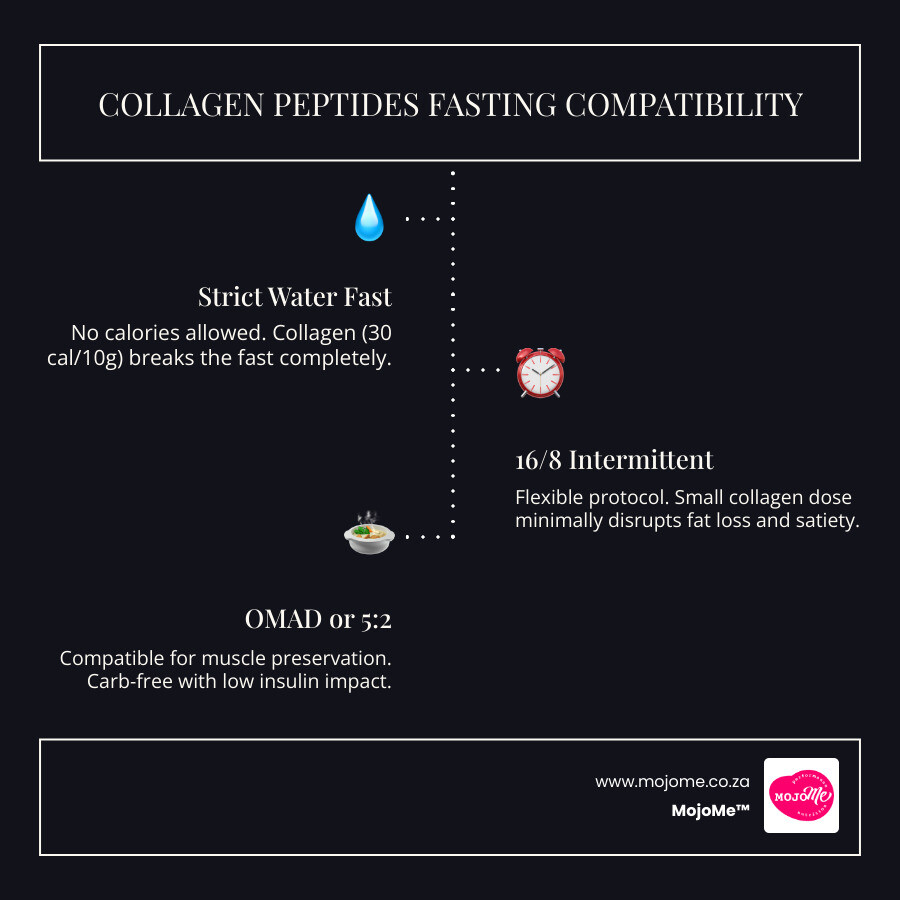
- Collagen peptides technically contain calories (roughly 30 calories per 10g serving) so they do break a strict water fast
- However, for most intermittent fasting goals like fat loss, muscle preservation and gut health, a small serving has minimal disruption
- Collagen is carb-free and has negligible impact on ketone production
- Whether collagen “breaks your fast” depends entirely on why you are fasting
- If your goal is autophagy (cellular repair), avoid collagen during the fasting window
- If your goal is weight management or muscle maintenance, collagen during your fast is generally considered compatible
Fasting has moved well beyond a trend. Millions of people use protocols like 16/8 intermittent fasting to support metabolic health, reduce inflammation and promote cellular repair. At the same time, collagen peptide use has surged as more people look for clean, natural ways to support their joints, skin and gut lining without synthetic additives.
The question that keeps coming up is this: does adding collagen, especially in the form of a warm bone broth, undo all the hard work of your fast?
The honest answer is that it depends on your fasting goals, your chosen protocol and how your body responds individually.
This guide breaks it all down so you can make an informed decision.
Understanding Collagen Peptides for Fasting
To understand how collagen peptides for fasting work, we first need to look at what they actually are. Collagen is the most plentiful protein in the human body, acting as the “glue” that holds our skin, bones, muscles, tendons and ligaments together. As we age, our natural production of this vital protein begins to drop, usually starting around the age of 25. This decline often leads to common signs of ageing like wrinkles, sagging skin and joint discomfort.
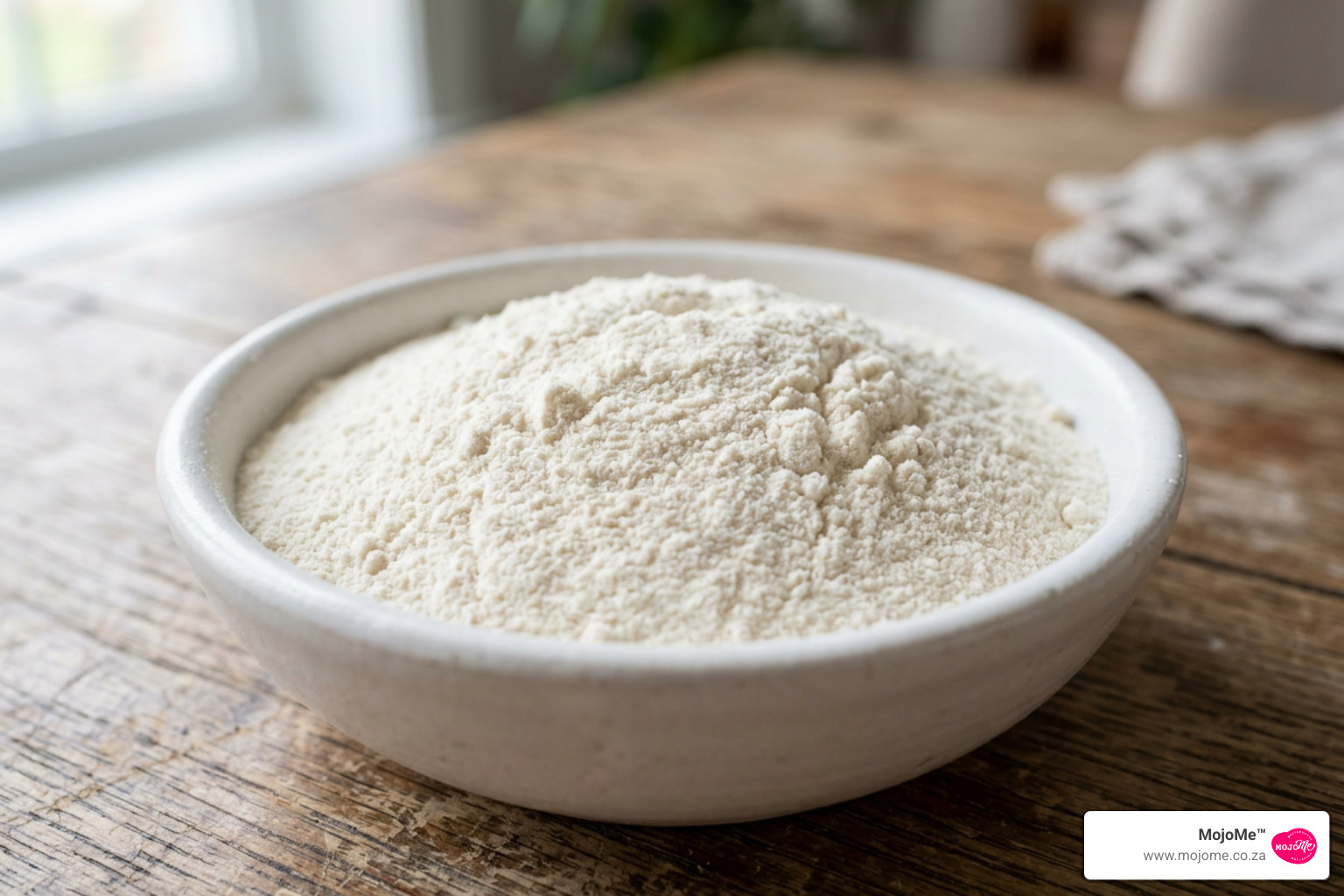
Collagen peptides are a specific form of collagen that has undergone a process called hydrolysis. During this process, large collagen molecules are broken down into smaller, shorter chains of amino acids called peptides. This makes them highly bioavailable, meaning our bodies can absorb and use them much more efficiently than standard gelatine or raw protein.
The unique power of collagen lies in its amino acid profile. Unlike whey or plant proteins, collagen is exceptionally high in glycine, proline and hydroxyproline. These specific building blocks are essential for repairing connective tissues and supporting a healthy gut lining. If you want to dive deeper into the basics, you can check out our collagen 101 guide or learn more about what is hydrolysed collagen and why the molecular size of these peptides matters for your health.
Benefits of Collagen Peptides for Fasting
Using collagen peptides for fasting offers several strategic advantages that can make a fasting lifestyle much more sustainable. Many South Africans find that a small serving of collagen helps manage the “hunger growls” that often strike during the final hours of a fast.
- Muscle Preservation: When you fast, your body looks for energy. While we want it to burn fat, we don’t want it to break down muscle tissue. Collagen provides essential amino acids that help maintain lean muscle mass during calorie-restricted periods.
- Gut Health: Fasting provides the digestive system with a much-needed break. Adding collagen during your eating window or as part of a modified fast can help strengthen the gut lining, which is vital for preventing systemic inflammation.
- Satiety: Protein is the most satiating macronutrient. A 10g serving of collagen can help you feel fuller for longer, making it easier to reach your 16 hour fasting goal.
- Joint and Skin Support: While your body is in a state of repair during a fast, providing the building blocks for skin elasticity and joint lubrication can enhance your overall results.
For a broader look at the science, you can explore this research on intermittent fasting benefits which details how these windows of abstinence affect metabolic health.
Choosing the Best Collagen Peptides for Fasting
Not all collagen is created equal, especially when you are trying to maintain a fasted state. The “cleaner” the supplement, the less likely it is to cause an unwanted insulin spike.
We recommend opting for an unflavoured powder that is free from artificial sweeteners, fillers or grains. Grass-fed bovine collagen is a popular choice for its high concentration of Type I and III collagen, which are the most abundant types in the human body. Alternatively, wild-caught marine collagen is often praised for its superior solubility and rapid absorption.
When selecting a product, look for high solubility. A premium powder should dissolve completely in both hot and cold liquids without clumping or leaving a gritty residue. This is particularly important if you plan to mix it into your morning coffee or tea. You can find more detailed advice on choosing the right format in our guide to collagen powder.
Does Collagen Break a Fast?
This is the million-rand question. Technically, if you define a fast as the total absence of calories, then yes, collagen breaks a fast. A typical 10g serving of collagen contains approximately 30 to 38 calories and roughly 7g to 9g of protein.
However, the “metabolic” answer is more nuanced. Most experts, including Dr Jason Fung, suggest that small amounts of protein or fat (under 50 calories) have a negligible impact on the overall metabolic benefits of a fast. Because collagen is carb-free, it does not trigger a significant insulin response in the same way a slice of toast or a sugary drink would.
If you are following a strict water-only fast for religious reasons or clinical surgery prep, you must avoid collagen. But if you are fasting for weight loss or metabolic flexibility, the small caloric load is often outweighed by the benefits of staying on track with your fasting schedule. You can read more about the nuances of water fasting and how it compares to other methods, or refresh your knowledge on intermittent fasting 101.
Fasting Protocols and Collagen Compatibility
How you use collagen peptides for fasting depends on which protocol you follow.
| Fasting Method | Protocol Description | Collagen Compatibility |
|---|---|---|
| Strict Water Fast | Zero calories, water only. | Not compatible; breaks the fast. |
| 16/8 Intermittent | 16 hours fasting, 8 hour eating window. | Highly compatible; use in coffee to extend the fast. |
| 5:2 Diet | Normal eating for 5 days, 2000-2100 kJ on 2 days. | Compatible; excellent way to get protein on low-cal days. |
| OMAD | One Meal A Day. | Best taken during your single meal window. |
| Prolonged Fasting | Fasting for 24 to 72 hours. | Use sparingly if muscle preservation is the priority. |
For those using the 16/8 method, many find that taking collagen during the fasting window helps them push through to lunch without feeling depleted. Learn more about staying hydrated and what is allowed in our intermittent fasting 101 rules.
Monitoring Your Personal Fasting State
Every body is different. While one person might stay in deep ketosis after a serving of collagen, another might see a small rise in blood glucose. The most accurate way to see how collagen peptides for fasting affect you is to use a glucose monitor.
If your blood glucose remains stable (typically in the 4.4 to 5.0 mmol/L range for South Africans) after consuming collagen, your body is likely still in a fasted metabolic state. Monitoring your ketone production can also provide insights. Since collagen is pure protein and contains zero carbohydrates, it rarely interrupts the liver’s production of ketone bodies, which are the primary fuel source during a fast.
Metabolic Impact: Autophagy, Insulin and Ketosis
To truly understand the impact of collagen, we need to look at the cellular level. Fasting triggers several key processes: autophagy, suppressed insulin and ketosis.
Autophagy is often described as “cellular spring cleaning”. It is a process where your cells recycle damaged components to create new, healthy ones. This process usually ramps up after 12 to 16 hours of fasting. Some researchers suggest that any protein intake, including collagen, could activate the mTOR pathway. mTOR is a nutrient-sensing mechanism that tells the body to “grow” rather than “clean”, which could theoretically slow down autophagy.
However, if your primary goal is fat oxidation (burning fat for fuel), collagen is a fantastic tool. By keeping insulin levels low, you allow your body to access stored body fat more effectively. You can find more about the mechanics of autophagy and why it is so beneficial for longevity.
How Collagen Affects Autophagy
While there is no definitive scientific consensus on exactly how many grams of protein stop autophagy, most experts agree that “perfection is the enemy of the good”. If adding a scoop of collagen to your morning routine allows you to fast for 16 hours instead of quitting at 12 hours due to hunger, you are still achieving a significant amount of cellular recycling.
Benefits of Autophagy include:
- Removal of toxic proteins from cells.
- Recycling of residual proteins.
- Providing energy and building blocks for cells that could still benefit from repair.
- Regeneration and healthy cells.
Maintaining Ketosis with Collagen
Ketosis is a metabolic state where the body burns fat for fuel instead of glucose. Because collagen contains zero carbohydrates, it is perfectly “keto-friendly”. In fact, some studies show that a single serving of collagen peptides has a minimal impact on ketone production.
By providing a clean source of amino acids, collagen supports the liver without providing the glucose that would kick you out of ketosis. This makes it an ideal supplement for South Africans following a Banting or ketogenic lifestyle who want to maintain their muscle mass while stripping away body fat.
Frequently Asked Questions about Collagen and Fasting
Can I take collagen in my coffee while fasting?
Yes, this is the most common way to use collagen peptides for fasting. Mixing a 10g serving into black coffee provides a creamy texture without the need for milk or sugar. This “collagen coffee” can help suppress appetite and provide a steady stream of amino acids to your muscles while you wait for your eating window to open. Just ensure you aren’t adding sugar or high-calorie creamers, as these will definitely break your fast and spike your insulin.
Is collagen keto friendly or paleo compatible?
Absolutely. Collagen is a staple of the Paleo or “Hunter-Gatherer” diet. Our ancestors consumed every part of the animal, including the connective tissues, skin and bones, which are naturally rich in collagen. Modern diets are often deficient in these specific amino acids. Because MojoMe collagen is 100% natural with no fillers, sugars or grains, it meets the strictest South African standards for clean-label nutrition.
What is the best time to take collagen if fasting?
The “best” time depends on your specific goals:
- For Hunger Management: Take it in your morning coffee during your fasting window.
- For Gut Health: Take it during your eating window or as part of a bone broth fast to provide the gut lining with concentrated nutrients.
- For Muscle Recovery: Take it post-workout, even if you are still in your fasting window, to provide the amino acids needed for tissue repair.
- For Better Sleep: Some find that taking collagen in the evening helps with relaxation due to the high glycine content.
If you are unsure whether to use a powder or a broth, read our deep dive into bone broth and intermittent fasting for more clarity.
Conclusion
Fasting is a powerful tool for health, but it doesn’t have to be a miserable experience of deprivation. Using collagen peptides for fasting is a smart way to support your body’s structural needs, protect your muscles and keep your hunger in check while still reaping the vast majority of fasting’s metabolic rewards.
At MojoMe, we are committed to providing South Africans with the purest, science-backed nutrition. Based in Cape Town, we produce premium multi-collagen and bone broth powders that are 100% natural and free from any hidden nasties. Whether you are looking to support your joints, improve your skin or simply make your intermittent fasting routine more sustainable, our range is designed to help you thrive.
Ready to upgrade your fasting routine? Shop MojoMe bone broth powders today and experience the difference that pure, potent nutrition can make.