What You Need to Know About the Bone Broth Intermittent Fast
Bone broth intermittent fast is a modified fasting approach where you sip bone broth during your fasting window instead of consuming only water. Here’s the quick answer to whether it works:
| Question | Quick Answer |
|---|---|
| Does bone broth break a fast? | Technically yes, but minimally — it contains roughly 40-80 calories per cup |
| Does it spike insulin? | No significant insulin spike from bone broth’s protein and fat profile |
| Can you stay in ketosis? | Yes, for most people, bone broth does not disrupt ketosis |
| Is it better than water-only fasting? | For most beginners and long-term adherents, yes — it reduces side effects and improves compliance |
| Who should avoid it? | People with kidney disease, histamine intolerance, Type 1 diabetes, or those who are pregnant |
Intermittent fasting has become one of the most popular tools for weight management and metabolic health. And bone broth has quietly become its most talked-about companion.
The pairing makes intuitive sense. Fasting can be hard. Hunger, headaches, dizziness, and low energy are real barriers. Studies show that fasting side effects include lethargy in up to 68% of people and headaches in over 61%. That’s a significant hurdle for anyone trying to build a sustainable habit.
Bone broth offers a practical middle ground. It’s low in calories, rich in electrolytes, collagen, and amino acids — and it can take the edge off hunger without meaningfully disrupting the metabolic benefits you’re fasting for in the first place.
But the debate is real: does any calorie intake break a fast? The answer depends on what your fasting goals actually are — and that’s exactly what this guide unpacks.
The Science of the Bone Broth Intermittent Fast
To understand why a bone broth intermittent fast works, we first need to look at what happens in our bodies when we stop eating. Humans evolved in a feast-or-famine environment. Our ancestors didn’t have refrigerators; they had periods of abundance followed by periods of scarcity. Because of this, our bodies developed a “metabolic switch.”
When we eat, our bodies burn glucose (sugar) for energy. When we fast, we eventually deplete our glycogen stores—the backup sugar kept in our liver and muscles. Once those stores are low, the body switches to burning fat for fuel, a state known as ketosis. This metabolic flexibility is the primary goal of most intermittent fasting 101 programs.
Cellular Repair and Growth Hormone
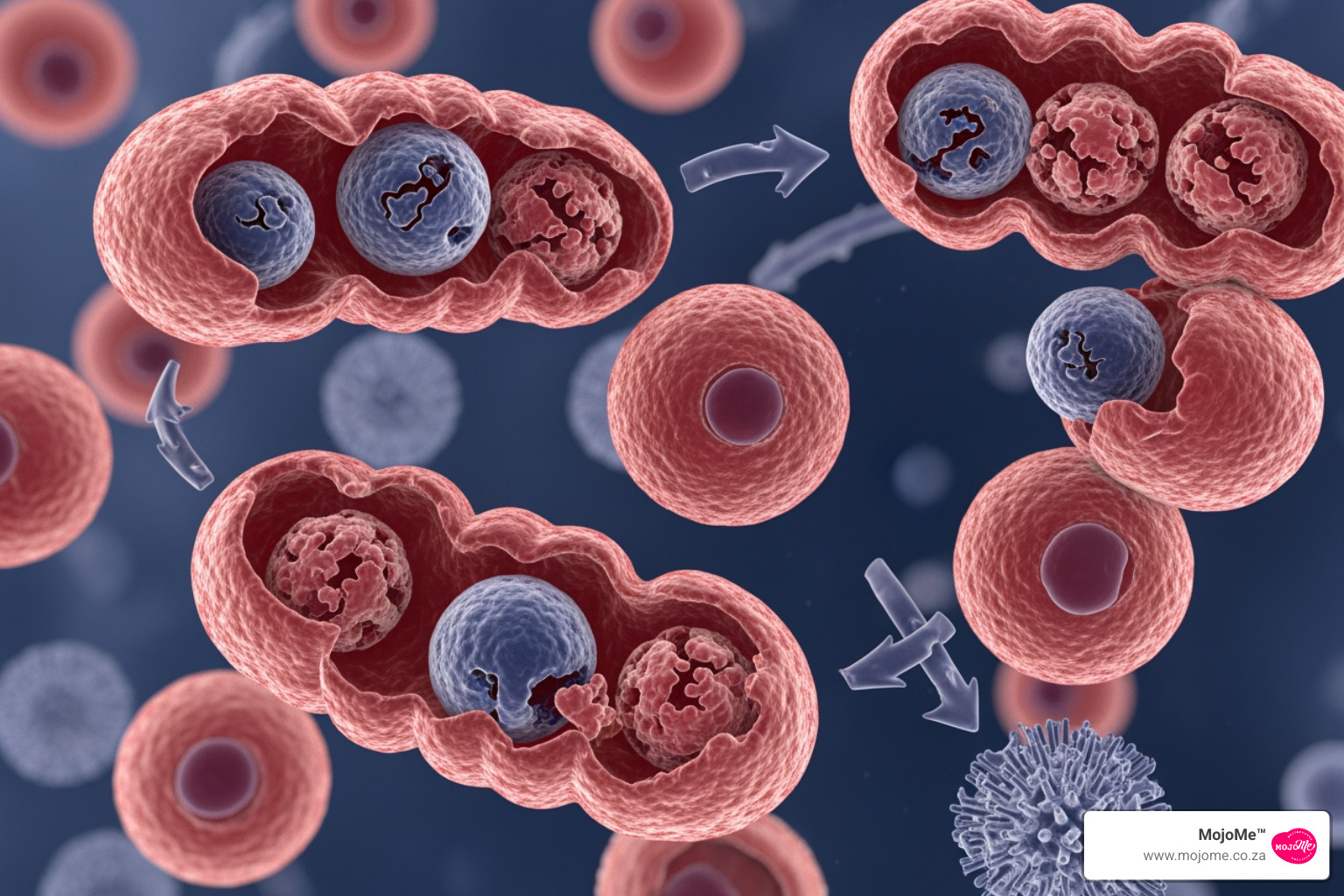
During a fast, insulin levels drop and growth hormone levels increase. This environment facilitates fat breakdown and muscle preservation. Perhaps most interestingly, fasting triggers a process called autophagy. This is the body’s “cellular housekeeping” mechanism, where it recycles and removes damaged cells and proteins. Think of it as a cellular reset button that promotes longevity and repair.
Popular Protocols: 16:8 to 5:2 Methods
There is no “one size fits all” when it comes to fasting. As Ashley Reaver, RD, notes, there are several different styles of intermittent fasting, all of which incorporate restricting the time frames in which you can eat.
- The 16:8 Method: You fast for 16 hours and eat during an 8-hour window. A study published in JAMA Internal Medicine found that the 16:8 method can lead to significant weight loss in overweight individuals.
- The 5:2 Method: You eat normally for five days a week and restrict your intake to about 500–600 calories on the other two days. In a bone broth intermittent fast context, these 500 calories often come entirely from 5–6 cups of nutrient-dense broth.
- Alternate-Day Fasting: You alternate between days of normal eating and days of complete fasting or very low-calorie intake.
Why a Bone Broth Intermittent Fast Supports Long-Term Success
The biggest reason people fail at fasting isn’t a lack of willpower; it’s the physical discomfort. This is where bone broth becomes a “fasting-friendly” hero.
Bone broth provides a small amount of glycine, an amino acid that has been shown to support gut health and the immune system. Because bone broth is primarily protein and healthy fats with almost zero carbohydrates, it doesn’t cause a significant insulin spike. This allows you to maintain the benefits of fat oxidation and metabolic repair while satisfying the physical urge to consume something savory and warm. By managing hunger suppression and satiety, bone broth makes the habit sustainable rather than a grueling chore.
Does Bone Broth Break a Fast? The Technical vs. Practical Debate
If you ask a “fasting purist,” they will tell you that anything other than water, black coffee, or plain tea breaks a fast. Technically, they are right. Anything with calories requires digestion, which means your digestive system isn’t at total rest.
However, for most of us, the goal of a bone broth intermittent fast is weight loss, improved insulin sensitivity, or gut healing—not a perfect record of zero calories.
| Feature | Strict Water Fast | Bone Broth Fast |
|---|---|---|
| Calories | 0 | 40–80 per cup |
| Insulin Impact | None | Negligible |
| Autophagy | Maximum | Potentially slightly reduced |
| Hunger Management | Difficult | Much easier |
| Electrolyte Balance | Requires supplements | Naturally occurring |
The Caloric Threshold and mTOR
The debate often centers on a protein called mTOR (mammalian target of rapamycin). mTOR is a nutrient sensor; when we eat protein, mTOR is activated, which tells the body to grow and build. To maximize autophagy, you want mTOR to stay low. Since bone broth contains protein (collagen), it can technically “ping” the mTOR sensor.
However, many experts, including Dr. Jason Fung, suggest that for the purposes of weight loss and metabolic health, the impact of a few cups of bone broth is negligible. If sipping broth helps you fast for 20 hours instead of giving up at hour 12, the net benefit is significantly higher. For those following intermittent fasting 16-8 hydration rules, bone broth can be a vital tool to stay hydrated and nourished without the “hangry” crash.
Impact on Autophagy and Ketosis
Research in the Scientific review of autophagy suggests that while protein intake can slow down autophagy, it doesn’t necessarily stop it entirely, especially if the caloric load remains very low. Furthermore, because bone broth lacks carbohydrates, it won’t kick you out of ketosis. Your body will continue to burn fat for fuel because there is no glucose spike to trigger a switch back to sugar-burning mode.
Nutritional Powerhouse: Why Bone Broth is the Ultimate Fasting Companion
We call bone broth “liquid gold” for a reason. Unlike standard stock, which is simmered for a few hours, true bone broth is simmered for 12 to 24 hours (or more). This long cooking process extracts collagen, gelatin, and a spectrum of minerals from the bones and connective tissues.
Gut Health and Joint Support
One of the primary benefits of bone broth is its high concentration of gelatin. Gelatin helps maintain the integrity of the intestinal lining, which is crucial for those dealing with “leaky gut” or digestive discomfort. While your gut is “resting” during a fast, the amino acids in the broth work to repair the gut barrier.
Additionally, the collagen found in broth provides the building blocks for healthy skin, hair, and nails. If you find your joints feel stiff while dieting, the glucosamine and chondroitin naturally present in bone broth collagen for stiff joints can provide much-needed relief.
Managing Side Effects with a Bone Broth Intermittent Fast
Fasting often leads to the “keto flu” or “fasting headaches.” These are usually caused by an electrolyte imbalance. When insulin drops, your kidneys flush out sodium. If you don’t replace that salt, you feel dizzy, lethargic, and irritable.
According to USDA FoodData Central, a cup of bone broth contains significant amounts of:
- Sodium: Essential for maintaining blood pressure and preventing dizziness.
- Potassium: Supports heart health and muscle function.
- Magnesium: Helps with sleep and reduces muscle cramps.
By incorporating a bone broth intermittent fast, you are essentially “micro-dosing” these electrolytes throughout your fasting window, preventing the common pitfalls that lead many to quit.
How to Implement Bone Broth into Your Fasting Schedule
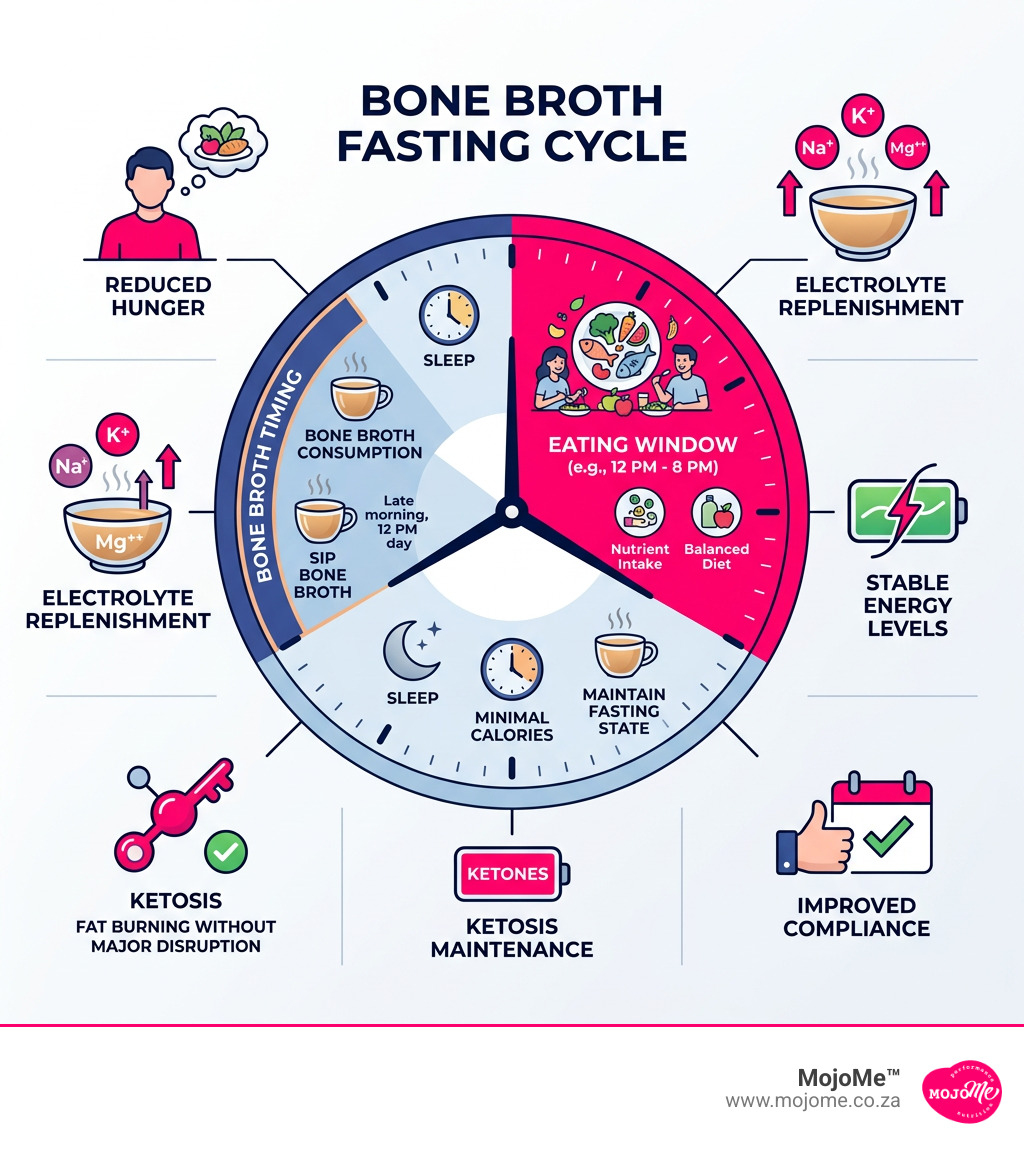
Ready to start? The beauty of the bone broth intermittent fast is its flexibility. Here is how we recommend structuring it for maximum results.
The 16:8 Bone Broth Schedule
- 8:00 PM: Start your fast after dinner.
- 7:00 AM: Wake up and hydrate with water and lemon.
- 10:00 AM: Have your first cup of warm bone broth. This provides a “bridge” when hunger usually peaks.
- 12:00 PM: Break your fast with a small, protein-rich meal.
- 12:00 PM – 8:00 PM: Your eating window. Incorporate bone broth into your meals or have another cup as a snack.
The 24-Hour “Reset” Fast
For a deeper bone broth fast your ultimate reset and detox, you can go 24 hours consuming only broth. We suggest drinking 5–6 cups of broth spaced every 3 hours. This keeps your energy stable while giving your digestive system a significant break.
Breaking the Fast Gently
How you end a fast is just as important as the fast itself. After a period of not eating, your digestive enzymes are “asleep.” Diving straight into a heavy pizza or a large steak can cause bloating and distress. We recommend breaking your fast with a cup of bone broth 30 minutes before your first solid meal. This “wakes up” the gut and prepares it for optimal nutrient absorption.
Choosing Quality: Homemade vs. Premium Powders
Not all broth is created equal. Store-bought “stock” in cartons is often just water, salt, and yeast extract with very little actual collagen.
- Homemade: This is the gold standard but requires 24 hours of simmering and a lot of freezer space.
- Premium Powders: For those of us with busy lives in Cape Town or elsewhere, a high-quality powder is a lifesaver. When choosing a powder, look for “multi-collagen” or pure bone broth sources. Our chicken bone broth powder is made from slow-simmered bones with no fillers, sugars, or grains.
To improve bone broth collagen absorption, ensure you are also getting enough Vitamin C during your eating window, as it is a vital co-factor for collagen synthesis.
Frequently Asked Questions about Bone Broth and Fasting
How many calories are in a cup of bone broth?
The calorie count varies by brand and preparation. On average, a cup of beef or chicken bone broth contains between 40 and 80 calories. It typically provides 9–10 grams of protein and negligible fat and carbohydrates. This low-calorie profile is why it fits so well into a modified fasting plan.
Will bone broth stop autophagy entirely?
As we mentioned, it may slightly dampen the peak of autophagy due to the protein content (mTOR activation). However, it does not “turn off” the benefits of fasting. For most people, the trade-off—being able to fast longer and more consistently because you feel better—is well worth the slight reduction in theoretical autophagy.
Who should avoid drinking bone broth while fasting?
While generally safe, a bone broth intermittent fast isn’t for everyone:
- Chronic Kidney Disease: High protein intake can strain the kidneys.
- Histamine Intolerance: Bone broth is a high-histamine food because of the long simmer time. It may cause headaches or hives in sensitive individuals.
- Pregnancy/Breastfeeding: Fasting is generally not recommended during these times.
- Type 1 Diabetes: Always consult a doctor, as fasting can significantly impact insulin requirements.
Conclusion
At the end of the day, the best fasting routine is the one you can actually stick to. If a strict water fast leaves you miserable and ready to binge-eat by day three, it isn’t serving your health goals.
A bone broth intermittent fast offers a sustainable, nutrient-dense path to metabolic flexibility. It provides the electrolytes to keep your brain sharp, the collagen to support your joints, and the satiety to keep your hunger at bay.
At MojoMe™, we believe in pure, science-backed nutrition. Our bone broth powders are crafted right here in South Africa (Muizenberg, Cape Town) to ensure you get 100% natural, potent support for your fasting journey. No fillers, no sugars—just the essential nutrients your body needs to thrive while you fast.
Ready to transform your fasting experience? Shop the MojoMe Bone Broth Range and discover how “liquid gold” can make your wellness goals a reality.